There’s a common belief among Irish homeowners that rats and mice are strictly a winter problem. The logic seems sound — when the cold sets in, rodents seek warmth and shelter indoors, and when spring arrives and temperatures climb, they head back outside where they belong. Problem solved. Unfortunately, this assumption is not only wrong, it’s one of the main reasons summer rodent infestations catch so many people completely off guard.
The reality is that warmer months bring an entirely different — and often more serious — set of rodent challenges. Understanding why is crucial to protecting your home, your health, and your peace of mind.
The Winter Myth That Leaves Homes Vulnerable
Let’s start with why this misconception is so widespread. During winter, rodent encounters tend to be more obvious. You might hear scratching in the attic at night, find droppings behind the fridge, or notice a mouse darting across the living room floor on a cold evening. These encounters feel seasonal because they coincide so clearly with dropping temperatures.
But what most people don’t realise is that the rodents they noticed in December didn’t necessarily leave in March. Many of them settled in permanently. Your attic insulation, cavity walls, and the void spaces beneath your kitchen units offer year-round comfort that rivals anything the outdoors can provide. There’s consistent warmth, protection from predators, proximity to food and water, and minimal disturbance from humans. From a rat or mouse’s perspective, why would they ever leave?
The difference in summer isn’t that rodents disappear — it’s that homeowners stop listening for them. Windows are open, daily routines shift outdoors, and the background noise of a lively household drowns out the subtle scratching and scurrying that was so noticeable during quiet winter nights. The rodents are still there. You’ve simply stopped noticing.
Summer Breeding: The Hidden Population Explosion
Here’s where the situation becomes genuinely alarming. While homeowners relax into the warmer months assuming the problem has resolved itself, rodent populations are doing the exact opposite — they’re accelerating.
Rats and mice are prolific breeders, and the warmer months provide ideal conditions for reproduction. A single female mouse can produce between five and ten litters per year, with each litter averaging six to eight pups. Those pups reach sexual maturity within six to eight weeks and begin breeding themselves. The mathematics are staggering. A small, unnoticed mouse problem in April can become a full-blown infestation of fifty or more individuals by August — all living and breeding within the hidden spaces of your home.
Rats follow a similar pattern, though their litters tend to be slightly smaller. Brown rats, which are by far the most common species in Ireland, typically produce around seven pups per litter and can breed up to five times per year. With abundant food sources and secure shelter, there is virtually no natural limit on colony growth inside a domestic property.
This is the true danger of assuming that rising temperatures will solve your rodent problem. Every week of inaction during spring and summer allows the population to compound exponentially.
Why Rodents Don’t Need the Cold as an Excuse to Enter Your Home
Another critical point that often gets overlooked is that rodents don’t only enter buildings to escape the cold. Temperature is just one of many motivating factors. Food and water availability, nesting opportunities, and safety from predators are equally — if not more — important drivers of rodent behaviour.
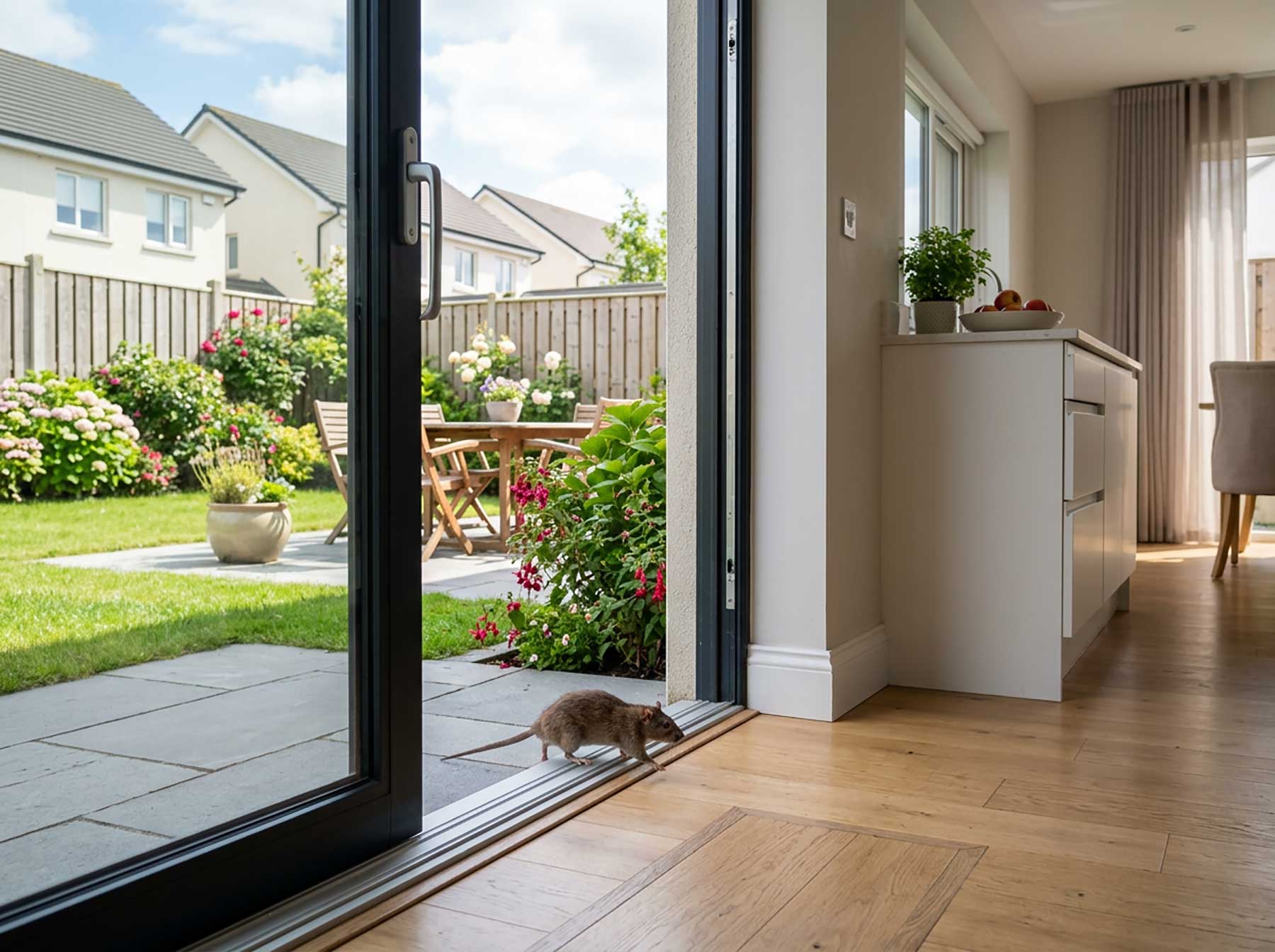
During summer, several factors actually increase the likelihood of new rodents entering your home for the first time. Construction work and landscaping projects in your neighbourhood can disturb established outdoor colonies, sending displaced rats and mice searching for new territory. Garden renovations, fence replacements, and even something as routine as clearing an overgrown hedge can uproot a nest and push rodents toward the nearest available shelter — which is often your house.
Barbecue season also plays a significant role. Outdoor cooking generates food debris that attracts rodents to your property’s perimeter. Fallen scraps beneath the grill, fat residue, uncovered pet food bowls, and open compost bins all act as powerful attractants. Once a rat or mouse discovers a reliable food source near your home, it will begin exploring entry points. And it doesn’t take much — a rat can squeeze through a gap the size of a two-euro coin, while a mouse needs nothing more than a space the width of a pencil.
This is why professional rodent control in Ireland focuses not only on eliminating existing populations but also on identifying and sealing the entry points that allow new rodents to gain access in the first place.
The Great Indoor Migration: Why Rising Temperatures Don’t Mean Your Rodent Problems Are Over
The Health Risks That Don’t Take a Summer Holiday
Beyond the property damage — chewed wiring, contaminated insulation, gnawed pipes and woodwork — rodents pose serious health risks that persist regardless of the season. Rats and mice carry a range of harmful pathogens including Salmonella, Leptospirosis (Weil’s disease), E. coli, and Hantavirus. These can be transmitted through droppings, urine, direct contact, or even through contaminated dust particles that become airborne when disturbed.
In summer, these risks can actually intensify. Warmer temperatures accelerate bacterial growth in rodent waste, and increased ventilation through open windows and doors can spread contaminated particles further through your living spaces. Families with young children, elderly relatives, or immunocompromised individuals are particularly vulnerable.
There’s also the psychological toll that often goes unspoken. Discovering a rodent infestation in your home — especially during the months when you’re supposed to be enjoying your living space — creates significant stress and anxiety. Many homeowners describe feeling uncomfortable in their own kitchens, losing sleep over noises in the walls, and feeling embarrassed about the situation. These are entirely valid responses, and they underscore why early intervention matters so much.
Warning Signs You Shouldn’t Ignore This Summer
Rodent activity leaves traces, even when the animals themselves remain hidden. Knowing what to look for can mean the difference between catching a problem early and dealing with an entrenched infestation months later.
Droppings are the most obvious indicator. Mouse droppings are small, dark, and roughly the size of a grain of rice. Rat droppings are significantly larger — typically around one to two centimetres long — and tend to be found along walls, behind appliances, and inside cupboards. Fresh droppings are dark and moist; older ones become dry and crumbly.
Gnaw marks on food packaging, wooden surfaces, plastic containers, and even electrical cables are another clear sign. Rodents must gnaw constantly to keep their ever-growing incisors in check, and they are not selective about what they chew. This behaviour is one of the leading causes of unexplained electrical faults and, in extreme cases, house fires.
Pay attention to unusual smells as well. A persistent, musky, ammonia-like odour — particularly in enclosed spaces like under-stairs cupboards, utility rooms, or attic hatches — can indicate an active rodent presence. In the case of a larger infestation, the smell can become quite pronounced and unmistakable.
Finally, look for grease marks along walls and skirting boards. Rats in particular follow the same routes repeatedly, and their oily fur leaves dark smudge marks along surfaces they brush against. These rub marks are a reliable indicator of established pathways between the nest and food sources.
What Effective Rodent Control Actually Looks Like
Dealing with a rodent infestation properly requires far more than placing a few snap traps or scattering poison in the attic. In fact, improper use of rodenticides can create additional problems — poisoned rodents may die in inaccessible locations within your walls or ceiling, producing a foul odour that can last for weeks, and secondary poisoning poses a real risk to pets and wildlife.
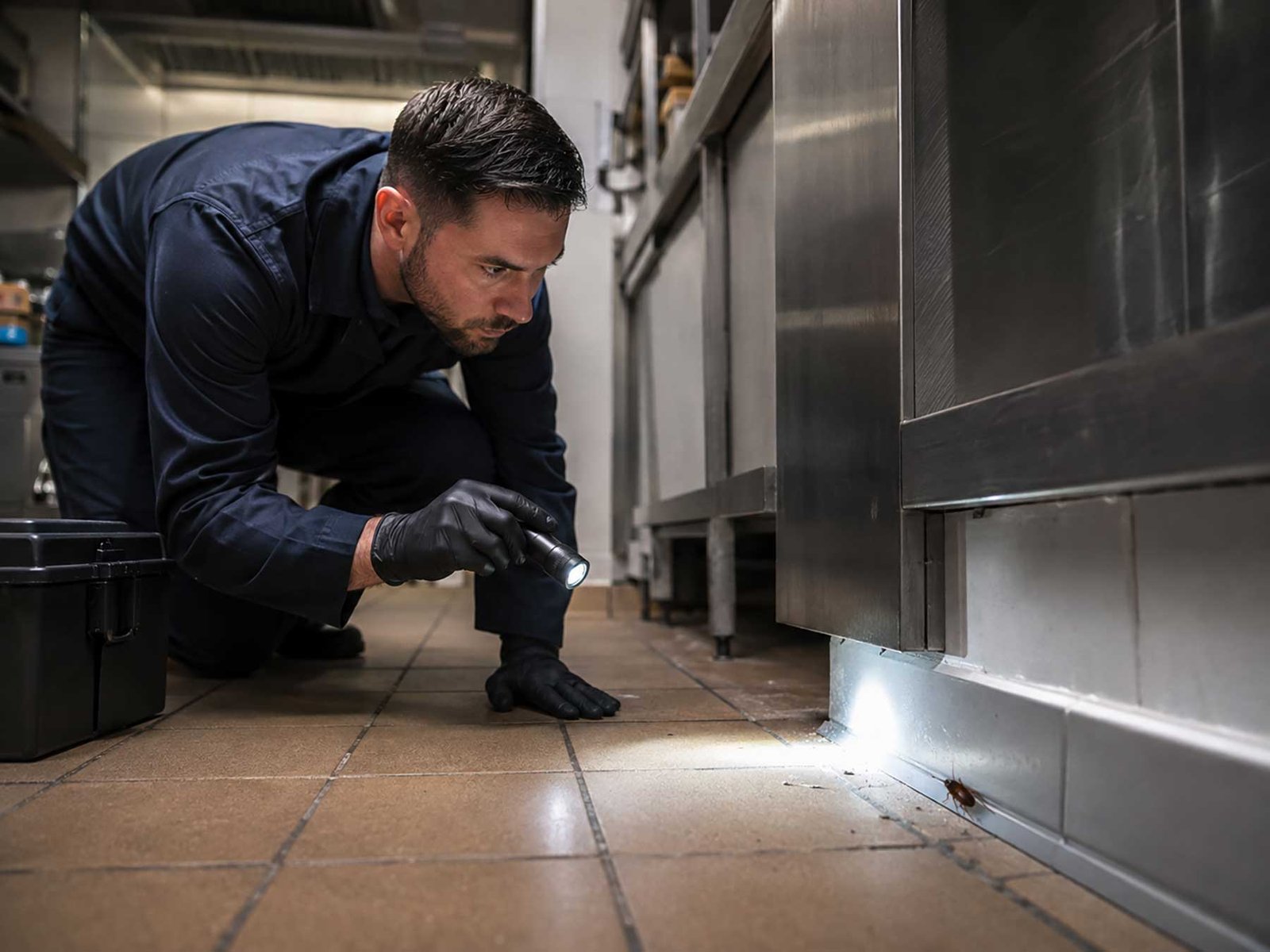
Professional pest control for rats and mice involves a thorough survey of the property to assess the scale of the infestation, identify active entry points, and determine the species involved. Treatment is then tailored to the specific situation, using a combination of secure bait stations, mechanical traps, and proofing measures designed to eliminate the current population and prevent future re-entry.
This integrated approach is the only reliable way to resolve a rodent problem permanently, rather than temporarily suppressing it only to see it return weeks or months later.
The Great Indoor Migration: Why Rising Temperatures Don’t Mean Your Rodent Problems Are Over
Discreet Pest Control — Expert Rodent Solutions Across Ireland
At Discreet Pest Control, we specialise in fast, effective, and completely confidential rodent control services throughout Dublin and the surrounding counties. We understand that a rat or mouse problem is something most homeowners prefer to handle quietly, and our entire service is designed with that in mind — from unmarked vehicles to professional, uniformed technicians who work efficiently and without drawing attention.
Whether you’re hearing scratching sounds at night, finding droppings in the kitchen, or simply want a professional inspection to rule out any hidden activity before summer gets fully underway, our experienced team is here to help. We’ll assess your property, implement a targeted treatment plan, and provide practical proofing advice to keep your home rodent-free long after we’ve left.
The warm weather won’t solve your rodent problem — but we will. Contact Discreet Pest Control today at discreetpestcontrol.ie to schedule a free consultation and make sure your home is truly yours this summer.