Summer travel should end with good memories, not unwanted pests in your bedroom. But for many Irish households, the weeks after holidays can bring an unexpected problem: bed bugs.
Whether you have returned from a hotel break in Spain, a family trip to Portugal, a city weekend in Paris, a staycation in Ireland, a festival, a business trip, or a short-term rental abroad, bed bugs can travel home with you without being noticed. They are small, discreet, excellent at hiding, and can be carried in luggage, folded clothes, backpacks, handbags, bedding, second-hand items, and soft furnishings.
This is why Bed Bugs After Summer Travel in Ireland is a growing concern for homeowners, renters, students, landlords, hotels, guesthouses, Airbnb hosts, and property managers. The problem is not about cleanliness. Bed bugs can appear in clean homes, luxury hotels, budget accommodation, apartments, hostels, and holiday lets. They are not attracted to dirt — they are attracted to people.
In this guide, Discreet Pest Control explains how bed bugs can come home after summer travel, what signs to look for, how to reduce the risk when unpacking, and when to call a professional pest control service in Ireland.
Bed Bugs After Summer Travel in Ireland: Why Holidays Increase the Risk
Summer is one of the busiest travel periods for Irish families and holidaymakers. Airports are full, hotels are busy, short-term rentals turn over quickly, students move between accommodation, and people spend more nights away from home.
This movement creates the perfect opportunity for bed bugs to spread.
Bed bugs do not fly or jump. Instead, they hide and hitchhike. A bed bug may crawl into a suitcase seam, the fold of a hoodie, a backpack pocket, a shoe, a laptop bag, or the lining of a travel case. You may never see it during the trip. Then, when you return home to Ireland and unpack in your bedroom, the pest has a chance to settle into a new environment.
Once inside the home, bed bugs usually move towards places where people rest or sleep. They prefer dark, narrow hiding spots close to a food source. That means mattresses, bed frames, headboards, bedside cabinets, skirting boards, sockets, curtains, sofas, and upholstered furniture can become harbourage areas.
This is why early awareness after travel matters. The sooner a potential issue is noticed, the easier it is to control.
What Are Bed Bugs?
Bed bugs are small, flat, oval insects that feed on blood, usually at night. Adult bed bugs are often brown or reddish-brown and can become darker after feeding. Younger bed bugs can be much smaller and harder to spot.
They are not known for spreading disease in the same way as some other pests, but they can cause distress, itching, sleeplessness, skin irritation, and anxiety. Some people react strongly to bites, while others may have little or no visible reaction at all.
This is one reason bed bug problems can go unnoticed. One person in the home may wake up with itchy marks, while another person sleeping in the same room may show no reaction.
Bed bugs are also patient. They can hide in very small cracks and crevices, which makes DIY control difficult. Spraying random products around the room often does not solve the problem and may cause the insects to spread into other areas of the property.
How Bed Bugs Travel Home to Ireland
The most common way bed bugs enter Irish homes after summer travel is through personal belongings. Luggage is one of the biggest risk points because it often sits close to beds, wardrobes, carpets, luggage racks, hotel furniture, or rental property floors.
Bed bugs can hide in:
- Suitcase seams and zips
- Backpacks and overnight bags
- Folded clothing
- Shoes and trainers
- Laundry bags
- Soft travel cases
- Laptop bags
- Handbags
- Children’s bags
- Blankets and travel pillows
- Souvenirs or fabric items
- Second-hand furniture or soft furnishings
A common mistake is placing luggage directly on the bed when arriving at accommodation, then doing the same when returning home. If bed bugs are present, this gives them an easy route into clothing or bedding.
Another risk is unpacking straight onto the bed or bedroom floor after a holiday. It feels natural after a long journey, but from a pest prevention point of view, it is better to unpack carefully and keep travel items away from sleeping areas until they have been checked.
Bed Bugs After Summer Travel in Ireland: Early Warning Signs
After returning home from summer travel, it is important to know the signs of bed bugs. A problem may not be obvious immediately. In some cases, it can take days or weeks before people realise something is wrong.
Look out for these common signs:
Small Bites or Itchy Marks
Bed bug bites often appear on exposed skin such as arms, legs, neck, shoulders, hands, or face. They may appear in lines, clusters, or small groups. However, bites alone are not enough to confirm bed bugs, because other insects and skin conditions can cause similar marks.
Blood Spots on Sheets
Tiny blood marks on bed sheets, pillowcases, or nightwear can be a warning sign. These may appear after a bed bug has fed and been disturbed during sleep.
Dark Spots on Bedding or Furniture
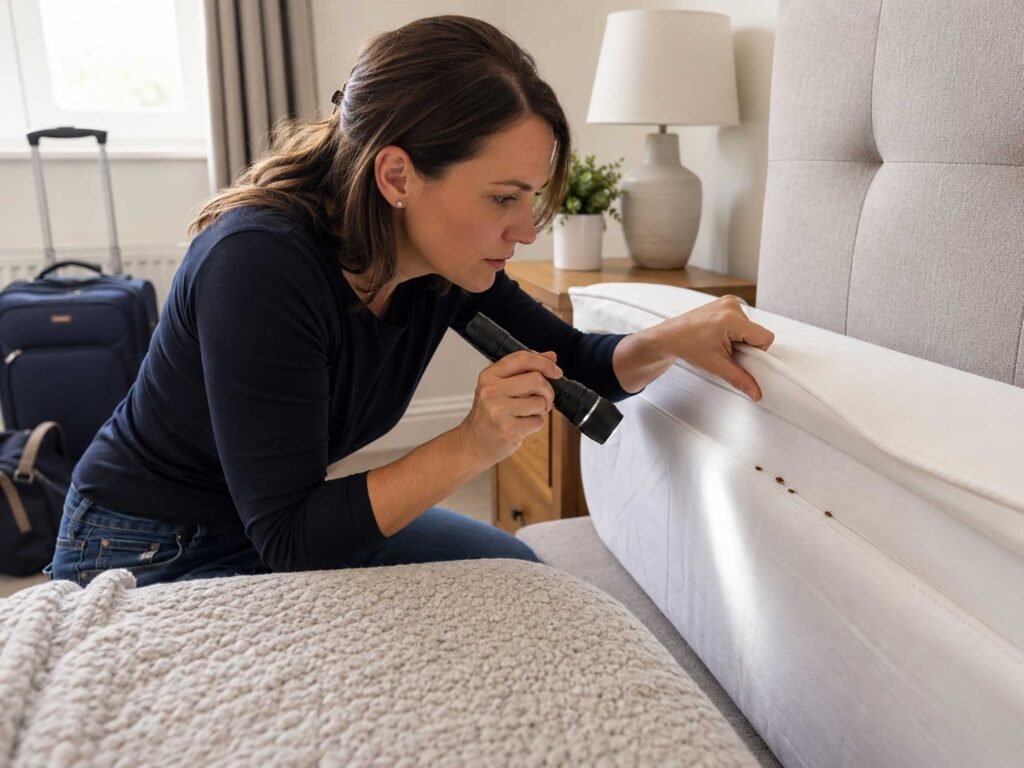
Small dark stains on mattresses, bed frames, headboards, or nearby furniture may be bed bug droppings. These marks can look like tiny black dots or ink spots.
Shed Skins and Eggs
As bed bugs grow, they shed their skins. You may find pale, empty shells in mattress seams, cracks, or furniture joints. Eggs are very small, pale, and difficult to see without careful inspection.
A Musty or Unusual Smell
In heavier infestations, there may be a musty or unpleasant smell around the sleeping area. This is usually a sign that the problem has developed over time.
Live Insects
Seeing a live bed bug is the clearest sign. They may be found along mattress seams, behind headboards, under bed frames, inside drawers, behind pictures, around skirting boards, or in soft furniture.
Where to Check After Returning Home
If you are concerned about Bed Bugs After Summer Travel in Ireland, start with the areas most likely to be affected.
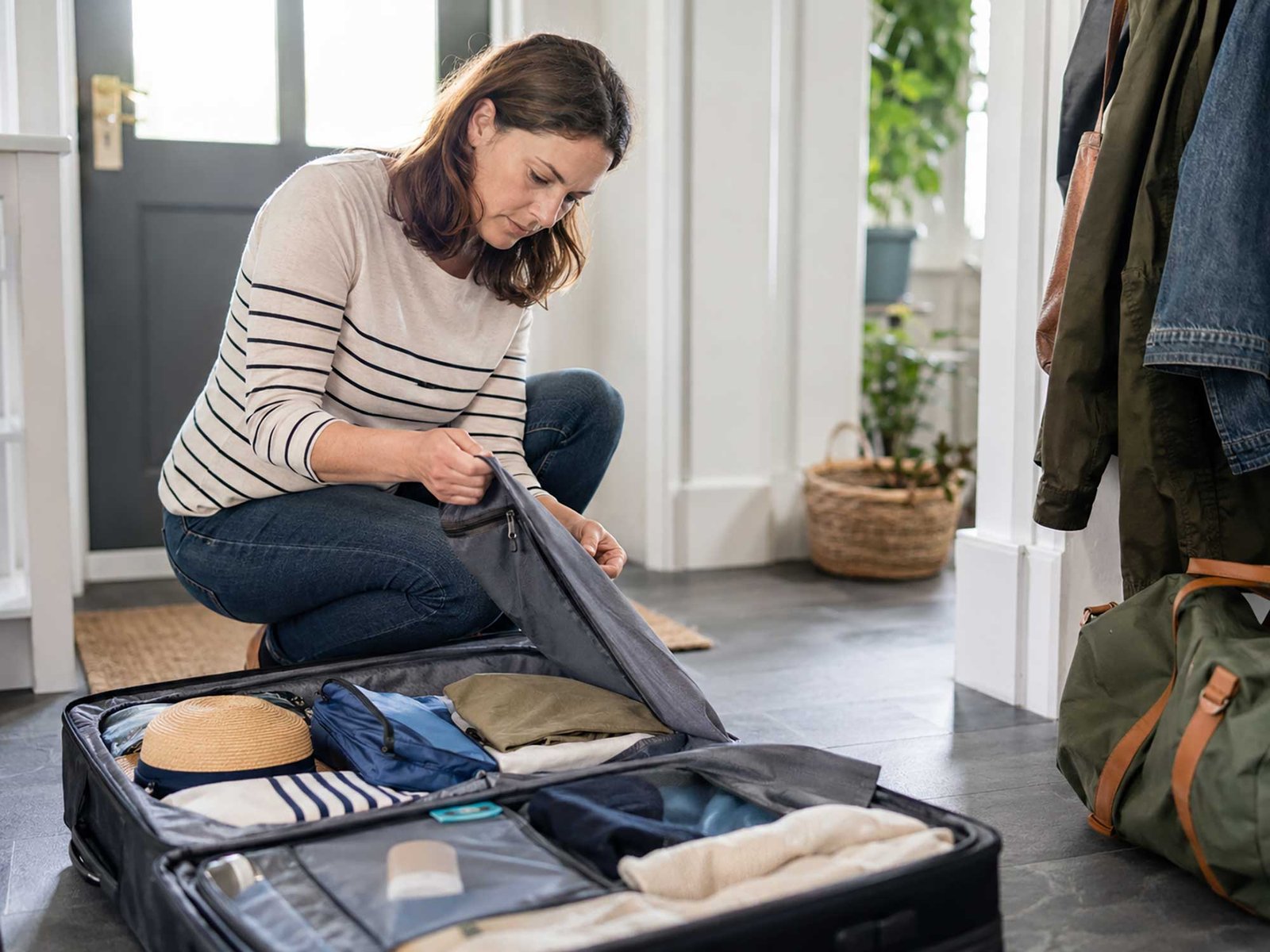
Check your luggage before storing it away. Look along zips, seams, corners, pockets, handles, wheels, and fabric folds. Use a torch if possible. Do not forget children’s bags, sports bags, cabin luggage, and backpacks.
Then inspect the bedroom. Focus on the mattress seams, bed base, bed frame, headboard, bedside cabinets, drawers, curtain folds, skirting boards, and nearby sockets or cracks. If you unpacked on a sofa, also check cushions, seams, throws, and fabric edges.
For apartments, shared housing, student accommodation, and multi-unit buildings, it is important to act early. Bed bugs can spread between rooms or neighbouring units if the problem is ignored.
What to Do With Luggage After Summer Travel
One of the best ways to reduce risk is to treat your luggage routine as part of your holiday return plan.
When you arrive home in Ireland, avoid placing suitcases on beds or soft furniture. If possible, unpack in a hallway, utility area, bathroom, garage, or another easy-to-clean space. Keep luggage away from bedrooms until it has been inspected.
Remove clothes and separate laundry into washable loads. Items that can be washed should be cleaned at a high temperature where the fabric allows. Drying clothes on a high heat setting can also help reduce the risk. Delicate items may need specialist care, sealing, or professional advice.
Vacuum the suitcase carefully, paying attention to seams, folds, corners, wheels, handles, and pockets. Empty the vacuum immediately afterwards into a sealed bag and dispose of it safely.
Hard-shell luggage is often easier to inspect and clean than soft fabric luggage, but bed bugs can still hide around zips, handles, linings, and wheels.
Bed Bugs After Summer Travel in Ireland: What Not to Do
When people suspect bed bugs, panic is common. Unfortunately, panic often makes the problem worse.
Avoid moving bedding, clothing, mattresses, or furniture from room to room without sealing items first. This can spread bed bugs into other parts of the home.
Do not sleep in another room to “escape” the bites. Bed bugs may follow the host and spread further through the property.
Do not throw away mattresses immediately. This is often expensive and may not solve the problem, especially if bed bugs are hiding in the bed frame, skirting boards, furniture, or nearby cracks.
Do not rely only on shop-bought sprays. DIY sprays may kill a few visible insects but often miss eggs and hidden harbourages. In some cases, incorrect use can push bed bugs deeper into walls, furniture, or neighbouring rooms.
Do not ignore the problem. Bed bugs reproduce, hide well, and can become more difficult to remove over time.
Bed Bugs After Summer Travel in Ireland – How to Reduce the Risk While Travelling
Prevention starts before you return home.
When staying in hotels, apartments, guesthouses, hostels, or short-term rentals, inspect the room before unpacking fully. Start with the bed area. Check the mattress seams, headboard, bed base, bedside cabinets, sofas, chairs, and luggage racks.
Keep luggage off the bed and away from soft furnishings. If there is a luggage rack, inspect it first and keep it away from the wall. Some travellers prefer to keep luggage in the bathroom or on a hard surface while checking the room.
Use sealed packing cubes or plastic bags for clothing. Keep dirty laundry separate from clean clothes. Do not leave clothing scattered on the floor near the bed.
Before leaving accommodation, check your luggage and clothing again. This is especially important if you noticed unexplained bites during the stay or saw possible signs of bed bugs.
These simple travel habits can significantly reduce the chance of bringing bed bugs home to Ireland.
Bed Bugs in Irish Homes, Apartments and Rentals
Bed bug problems can happen anywhere in Ireland. They are not limited to large cities, old buildings, or poorly maintained homes. A single fertilised female bed bug or a few hidden insects can be enough to start a problem if they are brought into the right environment.
Homes with frequent travel, rental accommodation, guest bedrooms, student rooms, hotels, B&Bs, and short-term lets can be at higher risk because there is more movement of people and luggage.
Landlords and property managers should take complaints seriously and arrange inspection quickly. In shared buildings, early action can protect other rooms or units. For hospitality businesses, discreet and professional treatment is essential to protect guests, reputation, and future bookings.
Why Professional Bed Bug Treatment Matters
Bed bugs are one of the most challenging pests to remove without professional help. They hide in tiny spaces, eggs can be hard to find, and incomplete treatment can allow the infestation to return.
A professional pest control inspection can confirm whether bed bugs are present, identify harbourage areas, assess the level of infestation, and recommend a targeted treatment plan.
At Discreet Pest Control, we understand that bed bugs are a sensitive issue. No one wants neighbours, guests, tenants, or customers to know they are dealing with a pest problem. That is why our service is discreet, practical, and professional.
We help homeowners, landlords, tenants, hotels, guesthouses, holiday lets, and commercial properties across Ireland deal with bed bug concerns quickly and confidentially.
Bed Bugs After Summer Travel in Ireland
When to Call Discreet Pest Control
You should contact a professional pest control company if you see live bed bugs, find dark spotting around your bed, notice repeated bites after travel, discover shed skins or eggs, or suspect that luggage may have brought pests home.
You should also seek help if you have already tried DIY products and the problem continues. Delaying professional treatment often gives bed bugs more time to spread.
Early action can reduce stress, limit disruption, and improve the chance of controlling the issue before it becomes established.
Bed Bugs After Summer Travel in Ireland: Final Advice
Coming home from a holiday should feel relaxing, not stressful. But a few simple precautions can protect your home from unwanted travel pests.
Inspect your accommodation before unpacking. Keep luggage away from beds and soft furniture. Check bags before bringing them into bedrooms. Wash and dry travel clothing carefully. Inspect your bed area after returning home. Watch for bites, marks, stains, shed skins, or live insects.
Most importantly, do not feel embarrassed if you suspect bed bugs. They are a travel-related pest, not a sign of a dirty home. They can affect anyone, anywhere, from budget travellers to luxury hotel guests.
If you are concerned about Bed Bugs After Summer Travel in Ireland, Discreet Pest Control is here to help.
We provide confidential bed bug inspections, practical advice, and professional pest control solutions for homes, rentals, hotels, guesthouses, and businesses across Ireland.
Contact Discreet Pest Control today for discreet, reliable help with bed bugs after summer travel in Ireland.