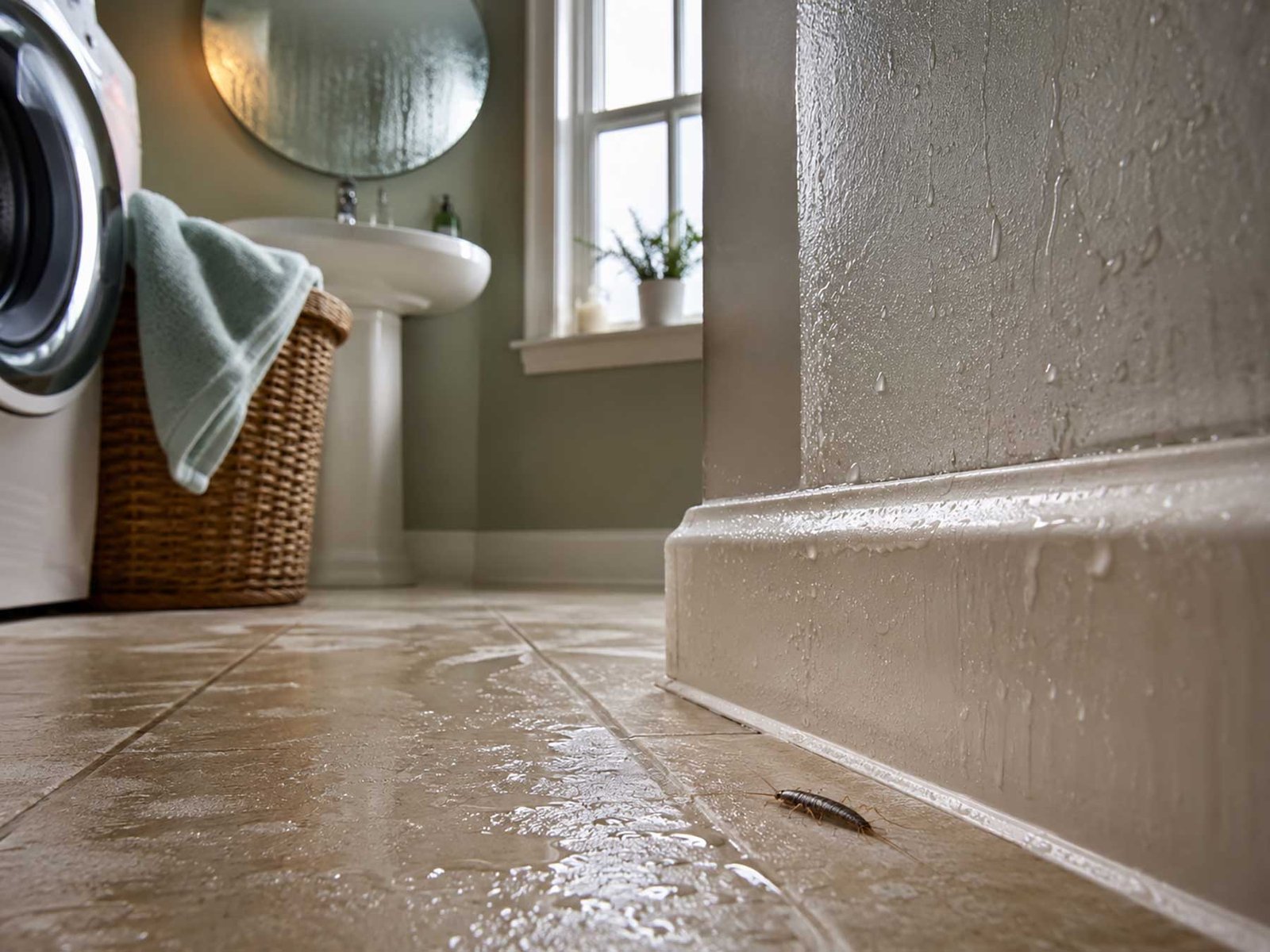
Silverfish are small, fast-moving insects that often appear where people least expect them — in bathrooms, kitchens, bedrooms, utility rooms, hot presses, attics and storage spaces. They move quickly, avoid light, and usually come out at night. For many homeowners, the first sighting is a tiny silver-grey insect disappearing under a skirting board, behind a cabinet or into a crack in the floor.
While silverfish do not create the same immediate alarm as rodents or bed bugs, they can still become a persistent and frustrating household pest. They are often linked to moisture, humidity, hidden gaps and undisturbed areas. In Ireland, where damp weather, older buildings, condensation and poorly ventilated spaces are common issues, silverfish can find plenty of suitable places to live.
That is why Silverfish in Ireland: Causes and Control is an important topic for homeowners, tenants, landlords, apartment managers and businesses. Understanding why silverfish appear is the first step towards controlling them properly.
At Discreet Pest Control, we help homes and businesses identify pest problems, understand the conditions causing them, and take practical steps to prevent them from returning.
Silverfish in Ireland: What Are They?
Silverfish are small, wingless insects with a long, narrow body and a silvery appearance. They move with a quick, wriggling motion, which is where their name comes from. They are usually active at night and prefer dark, humid spaces.
They are attracted to moisture and can feed on materials that contain starches, sugars or proteins. This may include paper, wallpaper paste, cardboard, books, clothing, stored fabrics, crumbs, dead insects and other organic matter.
Silverfish are not usually associated with biting people or spreading disease in the same way as some other pests. However, their presence can be a sign of damp conditions, poor ventilation or hidden moisture. They may also damage paper goods, books, wallpaper, packaging and fabrics over time.
If you are seeing silverfish regularly, it is worth asking why they are there. A single sighting may not always mean a major infestation, but repeated sightings usually suggest that the environment suits them.
Why Silverfish in Ireland Are Often Linked to Damp
Ireland’s climate naturally creates moisture challenges for many properties. Rain, mild temperatures, condensation, older building materials, blocked vents, poor bathroom ventilation and limited airflow can all contribute to damp indoor conditions.
Silverfish prefer humid environments. Bathrooms are a common location because of showers, steam and condensation. Kitchens can also attract them because of food crumbs, water sources and warmth from appliances. Hot presses, utility rooms and laundry areas may provide both warmth and humidity.
Older Dublin homes, apartments with poor ventilation, basements, storage rooms and converted buildings can be particularly vulnerable. If there are leaks, condensation, damp walls or hidden gaps around pipework, silverfish may settle and reproduce.
This is why controlling silverfish is not just about removing insects. It is also about improving the conditions that allowed them to thrive.
For broader household pest prevention, you can visit Pest Control Dublin to learn more about Discreet Pest Control’s domestic pest services.
Common Causes of Silverfish in Irish Homes
Silverfish usually appear because a property gives them three things: moisture, shelter and food.
Moisture may come from condensation, leaks, damp walls, poor ventilation, wet rooms, drying clothes indoors, or gaps around plumbing.
Shelter may include skirting boards, floor cracks, wall voids, under baths, behind cabinets, attics, storage boxes, wardrobes, cupboards and hot presses.
Food sources may include paper, cardboard, wallpaper glue, old books, fabric, crumbs, pet food, dust and organic debris.
In many cases, silverfish are found in rooms that are not cleaned or disturbed regularly. Storage spaces, spare rooms, lofts and cupboards may provide enough protection for them to remain unnoticed for a long time.
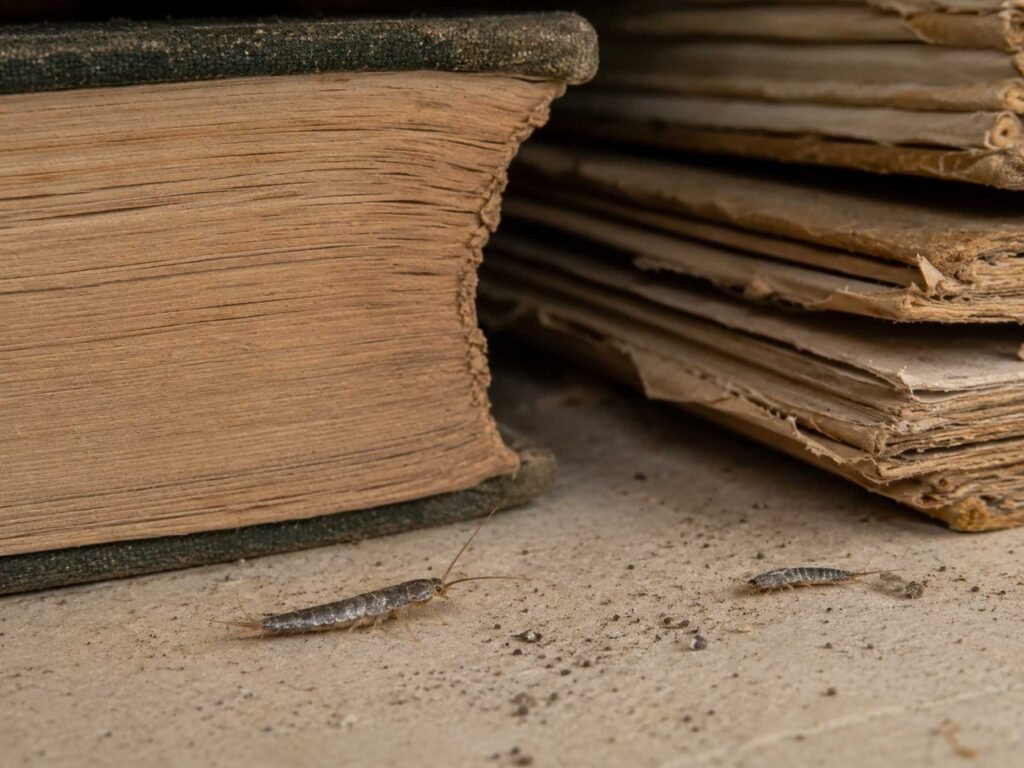
Silverfish in Ireland: Warning Signs to Look For
The most obvious sign is seeing live silverfish, especially at night. You may notice them when switching on a bathroom light, moving a storage box, lifting a rug, opening a cupboard or cleaning behind furniture.
Other warning signs include small holes or marks in paper, wallpaper or cardboard. You may also find yellowish stains, tiny scales, shed skins or damage to stored books and documents.
Silverfish activity is often scattered and subtle. Unlike some pests, they may not create a dramatic sign at first. Instead, the issue becomes noticeable because sightings continue over time.
If you keep seeing silverfish in the same room, there is likely a reason. The room may have excess moisture, hidden gaps, poor airflow or accessible food sources.
Where Silverfish Hide in Irish Properties
Silverfish are excellent at hiding. They prefer narrow, dark spaces where they are unlikely to be disturbed.
Common hiding places include:
Behind skirting boards. Under bathroom units. Around baths and showers. Behind kitchen cabinets. Inside cupboards. Under sinks. In hot presses. In attics. Behind wallpaper. Under old flooring. In cardboard boxes. Around pipework. In wardrobes. Behind bookshelves. In utility rooms.
In apartments, silverfish may also appear around shared service routes, bathrooms, kitchens and storage areas. If moisture is present in a wall or service void, activity may continue even after visible insects are removed.
This is why a proper inspection is useful. The source may not be the exact place where you see them.
Silverfish Control in Ireland: What You Can Do First
If you see silverfish, start by reducing moisture. Improve ventilation in bathrooms and kitchens. Use extractor fans where available. Open windows when suitable. Avoid drying large amounts of laundry indoors without airflow. Repair leaks quickly. Check under sinks, around baths, behind appliances and near pipework.
Next, reduce clutter. Remove old cardboard boxes, especially from damp rooms or storage spaces. Store important documents, books and fabrics in sealed plastic containers instead of cardboard. Clean behind furniture and along skirting boards.
Vacuum regularly, especially in corners, cracks, wardrobes, under beds, behind cabinets and around storage areas. This helps remove insects, eggs, dust and food debris.
Check wallpaper, flooring and damp patches. If there is a moisture issue behind the surface, silverfish may continue returning until the underlying problem is fixed.
Why Silverfish Keep Coming Back
Silverfish keep returning when the conditions remain unchanged. If a bathroom stays humid, a leak continues, cardboard remains in a damp cupboard, or floor gaps provide shelter, the problem may persist.
Many people try simple sprays or traps, but these may only reduce visible activity. They do not always address hidden insects or the reason silverfish are present.
Effective Silverfish in Ireland: Causes and Control means looking at both pest activity and property conditions. The goal is to make the environment less suitable for silverfish while dealing with the active problem.
Silverfish in Dublin Apartments and Rental Homes
Silverfish can be especially frustrating in apartments and rental homes. Tenants may notice insects but not have full control over ventilation, building repairs, leaks or structural gaps. Landlords may not realise the issue is connected to damp or building conditions.
In rented properties, it is important to report repeated activity and document where silverfish are being seen. Photos, dates and room locations can help identify patterns.
For landlords, repeated silverfish sightings should not be dismissed. They may point to moisture issues, poor ventilation, building gaps or hidden leaks. Arranging a professional inspection can help avoid ongoing complaints and protect the property.
For apartment managers, silverfish may require a wider view if multiple units or shared service areas are affected.
Silverfish in Businesses and Commercial Premises
Silverfish are not only a domestic issue. They can appear in offices, hotels, archives, libraries, storage rooms, schools, restaurants, staff areas, warehouses and commercial buildings.
Businesses that store paper, packaging, fabrics, uniforms, documents or food products should take silverfish seriously. While they may not cause the same immediate reaction as rodents or cockroaches, they can indicate moisture and hygiene issues that should be addressed.
For businesses, Commercial Pest Control can help identify the source, reduce risk and support a broader pest prevention plan.
Discretion is also important. Pest issues in commercial environments should be handled professionally, with minimal disruption to staff, customers and operations.
Professional Silverfish Control in Ireland
Professional pest control can help when silverfish activity is persistent, widespread or linked to hidden areas that are hard to access.
A professional inspection may look at moisture sources, harbourage areas, room conditions, cracks, skirting boards, bathrooms, kitchens, storage spaces and adjoining rooms.
Treatment may be combined with practical advice on ventilation, cleaning, storage and proofing. The aim is not only to reduce activity now, but also to prevent the same issue from returning.
At Discreet Pest Control, our team provides professional pest control services across Dublin and surrounding areas. We understand that even small insects can cause stress when they keep appearing inside the home.
Preventing Silverfish in Irish Homes
Prevention starts with moisture control. Keep rooms ventilated, repair leaks, use extractor fans, dry wet areas properly and avoid long-term damp storage.
Replace cardboard storage boxes with sealed plastic containers, especially in attics, utility rooms, garages and hot presses. Keep books, papers and fabrics away from damp walls or floors.
Clean regularly behind furniture, under beds, around wardrobes and along skirting boards. Reduce dust and crumbs. Inspect areas where condensation appears.
If you have recently renovated, moved into a new home, or noticed damp patches, pay attention to early pest signs. Silverfish often reveal that a room is holding more moisture than it should.
When to Call Discreet Pest Control
You should call a professional if you see silverfish repeatedly, find damage to paper or stored items, notice activity in several rooms, suspect damp-related pest activity, or have already tried DIY methods without success.
Professional help is also recommended for landlords, rental properties, apartments and businesses where the issue may involve shared spaces or hidden building conditions.
Contact Discreet Pest Control for discreet and professional advice. The sooner the cause is understood, the easier it is to control the problem.
Final Thoughts on Silverfish in Ireland: Causes and Control
Silverfish may be small, but repeated sightings should not be ignored. They often point to moisture, damp, hidden gaps or undisturbed storage areas.
The best approach is to reduce humidity, improve ventilation, remove clutter, protect paper and fabrics, clean hidden areas and seek professional pest control support if activity continues.
If you are dealing with Silverfish in Ireland, Discreet Pest Control can help identify the problem, advise on prevention and provide practical pest control solutions for homes and businesses across Dublin and surrounding counties.