Introduction
As spring transitions into summer across Ireland, wasps quickly become one of the most visible and disruptive pests affecting both residential and commercial properties. What often begins as a single queen emerging from hibernation can, within a matter of weeks, develop into a large and highly active colony. This rapid growth, combined with increased human outdoor activity during warmer months, creates the perfect conditions for conflict between people and pests.
At Discreet Pest Control, we deal with wasp-related issues every year as temperatures rise. Many infestations could be avoided or significantly reduced if identified early. Understanding how wasps behave, where they build nests, and how to respond safely is essential to maintaining a pest-free environment during peak season.
Why Wasps Become a Problem in Warmer Months
The lifecycle of wasps is closely tied to seasonal changes, and spring marks the beginning of their most active period. After surviving the winter in hibernation, queen wasps emerge and immediately begin searching for suitable nesting locations. During this early stage, nests are small and often go unnoticed, which is why many property owners are unaware of a problem developing.
As the weeks pass and temperatures continue to rise, the queen begins producing worker wasps that take over the tasks of foraging and expanding the nest. By early to mid-summer, the colony is growing steadily, and activity becomes more noticeable. Later in the season, the population reaches its peak, and wasps become increasingly aggressive as they compete for food sources. This shift in behaviour is often when people first become aware of a serious infestation, although by that point the nest is usually well established.
Common Nesting Locations Around Properties
Wasps are highly adaptable and tend to choose nesting sites that offer shelter, warmth, and minimal disturbance. In many Irish homes, roof spaces and attics provide ideal conditions due to their dryness and protection from the elements. Wall cavities are another common location, particularly in properties where small entry points allow wasps to move in and out unnoticed.
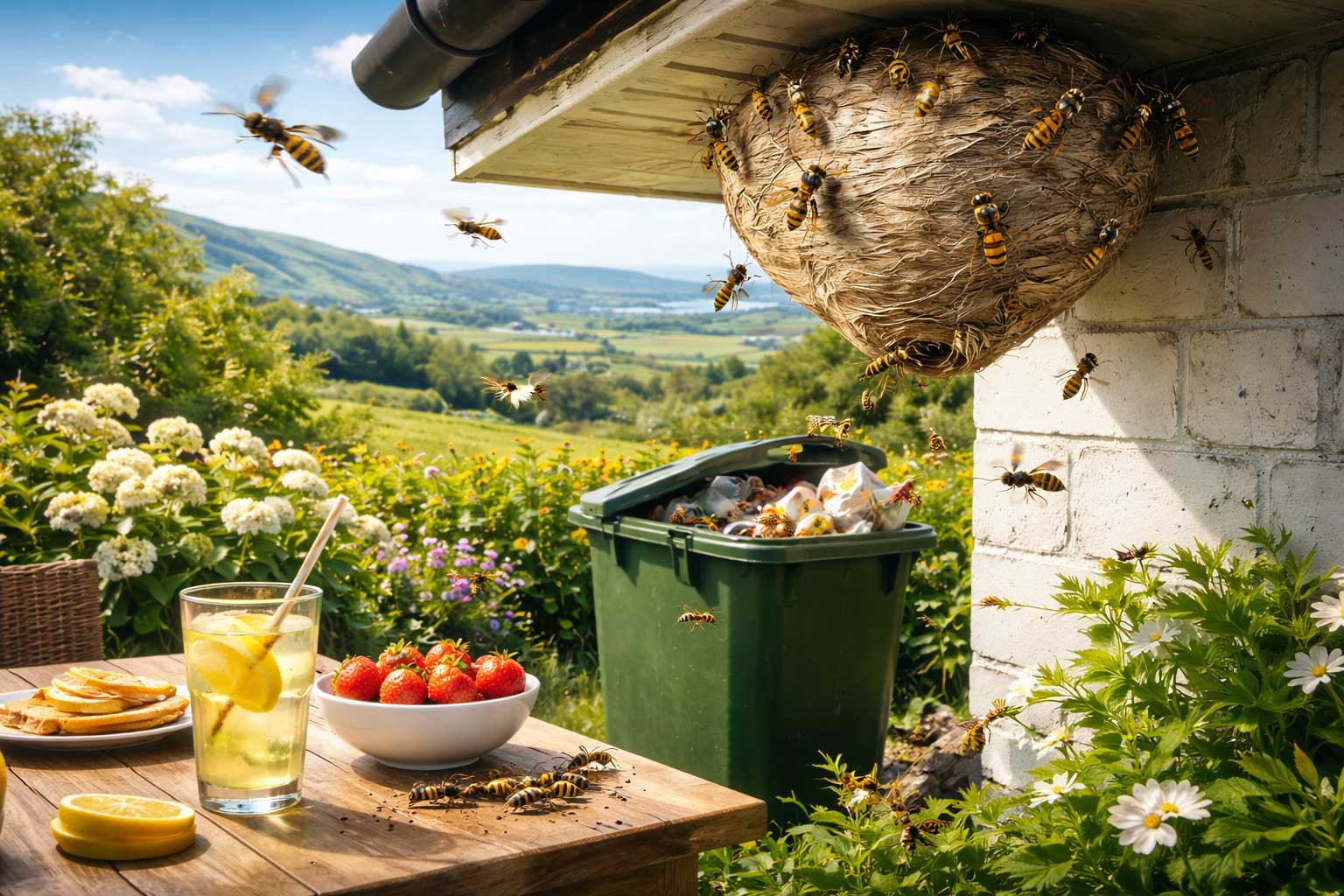
Outdoor areas are equally at risk, especially garden sheds, garages, and spaces beneath decking. In some cases, nests may also be found in trees or dense hedges, which can make them difficult to detect until activity increases. The challenge with these locations is that they are often close to everyday living spaces, increasing the likelihood of human contact.
Wasp Control in Ireland: How to Identify, Prevent and Safely Remove Nests During Spring and Summer
Recognising the Early Signs of a Wasp Infestation
One of the most effective ways to prevent a serious wasp problem is to recognise the early warning signs. Increased wasp activity in a specific area is often the first indicator, particularly if individuals appear to be following the same flight path repeatedly. This usually means they are travelling to and from a nest.
Another common sign is the presence of wasps entering small gaps in walls, rooflines, or vents. In some cases, a faint buzzing sound may be heard within walls or ceilings, indicating that a nest has developed internally. Visible nests, which have a distinctive papery appearance, are usually only noticed once they have reached a more advanced stage.
Health and Safety Concerns
Wasps are not only a nuisance but also pose genuine health risks. While a single sting can be painful, the danger increases significantly when a nest is disturbed, as wasps will defend their colony aggressively. Multiple stings can occur in a short period, particularly if the nest is located in a high-traffic area.
For individuals with allergies, even a single sting can result in a severe reaction requiring immediate medical attention. This makes wasp infestations particularly concerning for families, businesses, and public-facing environments. In commercial settings such as cafés, restaurants, or hotels, the presence of wasps can also impact customer experience and create serious hygiene concerns.
Why Attempting to Remove Wasps Yourself Is Risky
Many people underestimate the risks associated with attempting to deal with wasps on their own. While over-the-counter sprays and DIY methods may seem like a quick solution, they rarely address the full extent of the problem. Incomplete treatment can leave parts of the colony active, allowing the infestation to continue or return.
More importantly, approaching a nest without proper protective equipment and training can provoke an aggressive response from the wasps. This significantly increases the risk of stings and can quickly turn a manageable situation into a dangerous one. In many cases, DIY attempts actually make professional removal more complicated due to disturbance of the nest.
Preventing Wasp Activity Around Your Property
Prevention plays a crucial role in managing wasp activity during spring and summer. Maintaining a clean environment, particularly in outdoor areas, helps reduce the attraction of food sources that draw wasps closer to your property. Waste should be stored securely, and any spills or food residues should be cleaned promptly, especially in areas used for outdoor dining.
It is also important to regularly inspect your property for potential entry points. Small gaps in walls, roofs, or vents can provide easy access for wasps searching for nesting sites. Addressing these vulnerabilities early in the season can significantly reduce the likelihood of a nest being established.
Garden maintenance is another key factor, as overgrown vegetation can create sheltered environments where wasps are more likely to build nests. Keeping outdoor spaces well-maintained not only improves visibility but also reduces the number of suitable nesting locations.
Professional Wasp Control Solutions
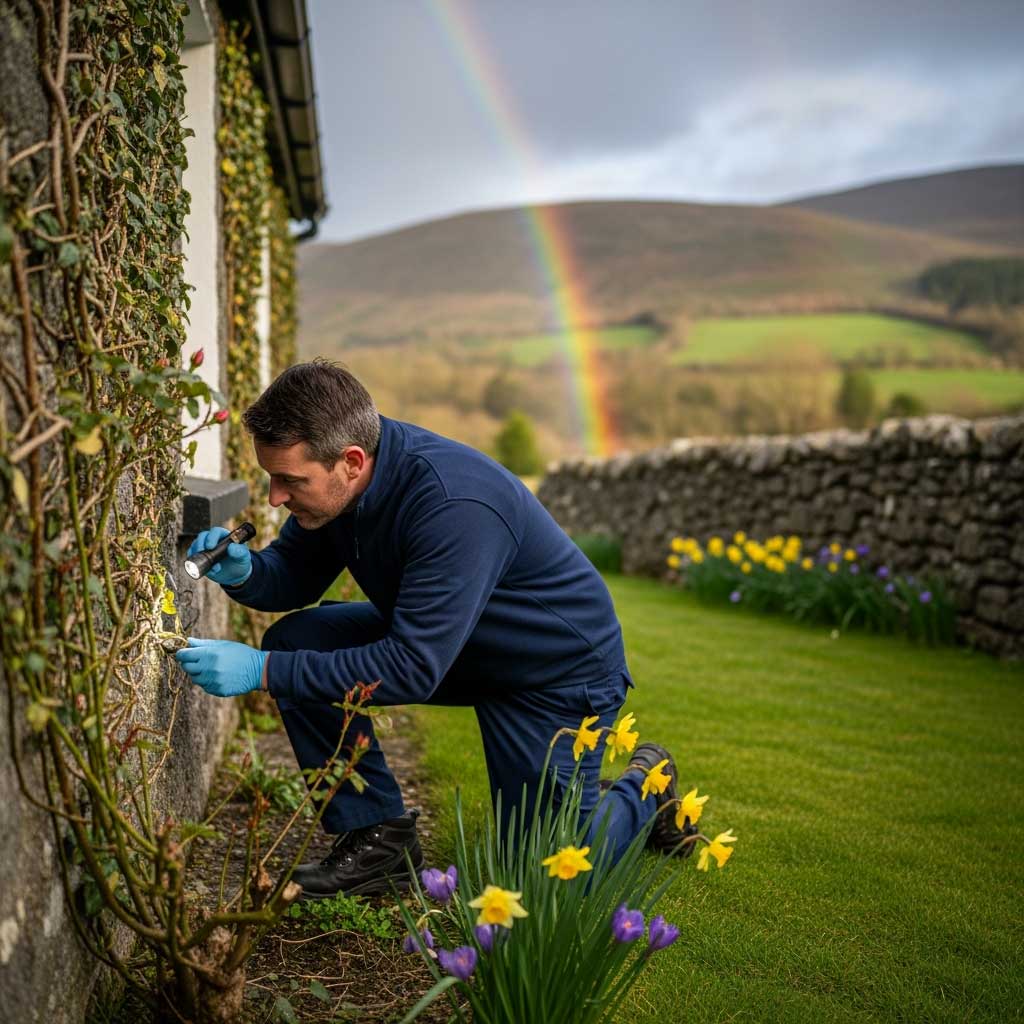
At Discreet Pest Control, we take a professional and methodical approach to wasp control, ensuring that infestations are handled safely and effectively. Our process begins with a thorough inspection to identify the exact location of the nest and assess the level of activity. This allows us to determine the most appropriate treatment method.
Using specialised equipment and industry-approved techniques, we eliminate the nest while minimising risk to occupants and surrounding areas. Our service is designed to be discreet and efficient, ensuring that both residential and commercial clients experience minimal disruption. In addition to removal, we also provide guidance on how to prevent future infestations, helping you maintain long-term protection.
Conclusion
Wasp Control in Ireland: How to Identify, Prevent and Safely Remove Nests During Spring and Summer
Wasps are an unavoidable part of the spring and summer seasons in Ireland, but that does not mean they have to become a serious problem. With the right awareness and early action, infestations can often be prevented or managed before they escalate. Recognising the signs of activity, understanding where nests are likely to form, and taking appropriate precautions are all essential steps in protecting your property.
When a nest is suspected or confirmed, professional intervention is always the safest and most effective solution. Discreet Pest Control is committed to providing reliable, expert support throughout the warmer months, ensuring that your home or business remains safe, comfortable, and free from unwanted pests.