Summer in Ireland brings longer evenings, family walks, weekends in the countryside, garden time, camping trips, beach days, and more outdoor activity. But it also brings a small pest that many people do not think about until it becomes a problem: ticks.
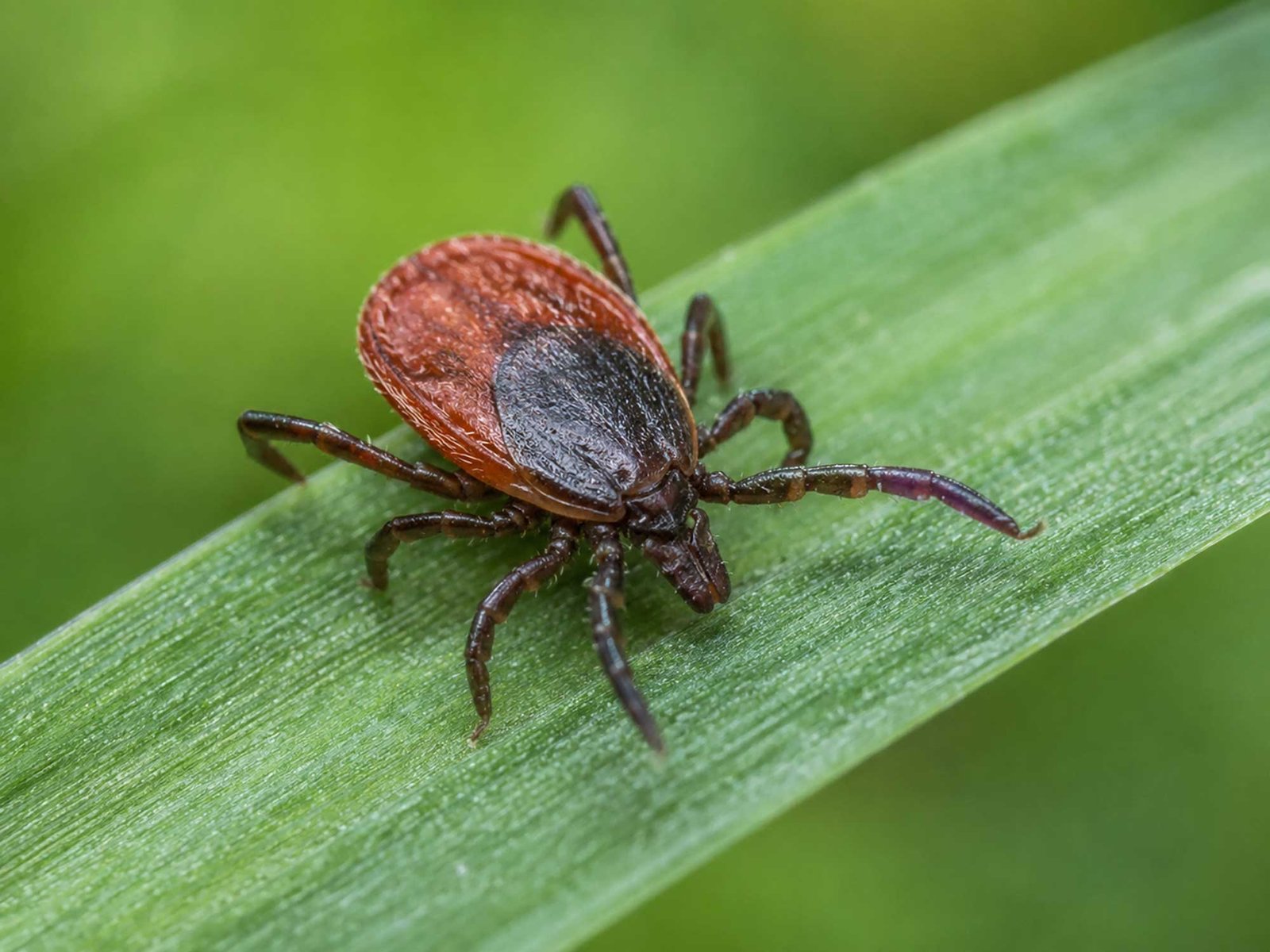
Tick Season in Ireland is something homeowners, parents, pet owners, walkers, farmers, gardeners, holiday home owners, and outdoor workers should take seriously. Ticks are tiny, spider-like parasites that feed on the blood of animals, birds, and humans. They are not always easy to spot, and their bites are often painless, which means a tick can stay attached for hours without being noticed.
Most tick bites do not cause serious illness. However, some ticks can carry bacteria that may lead to Lyme disease. That is why awareness, prevention, and quick action are so important during the warmer months.
In this guide, Discreet Pest Control explains what you need to know about Tick Season in Ireland, where ticks are commonly found, how to reduce the risk around your home and garden, and what summer safety tips can help protect your family, pets, and property.
Tick Season in Ireland: Why Summer Increases the Risk
Ticks can be active from spring through autumn, but they are usually more common and more active during the summer months. This is also the time when people in Ireland spend more time outside — walking dogs, gardening, hiking, camping, playing sports, visiting parks, or staying in rural holiday homes.
The combination of warmer weather, long grass, wild vegetation, wildlife movement, and increased outdoor activity creates the ideal conditions for tick encounters.
Ticks do not jump or fly. Instead, they wait on grass, leaves, shrubs, and low vegetation. When a person or animal brushes past, the tick can attach itself to clothing, fur, or skin. From there, it may crawl to a warm, hidden area of the body and begin feeding.
This is why Tick Season in Ireland is not only a countryside issue. Ticks can be found in woodlands, parks, gardens, farmland, coastal paths, sand dunes, lakeside areas, and even green urban spaces.
Where Are Ticks Found in Ireland?
Ticks are commonly associated with forests and rural walking trails, but they can appear in many outdoor areas across Ireland. Any place with long grass, dense vegetation, wildlife activity, or damp shaded ground can provide suitable conditions.
Common tick habitats in Ireland include:
- Woodlands and forest trails
- Long grass and meadow areas
- Parks and public green spaces
- Coastal dunes and lakeside vegetation
- Overgrown gardens
- Fields and farmland edges
- Shrubs, hedges, and boundary planting
- Areas where deer, foxes, rodents, birds, or pets pass through
For homeowners, the garden is often the most overlooked risk area. A well-used family garden can still attract ticks if grass is left long, hedges are overgrown, leaf litter builds up, or wildlife regularly enters the property.
Holiday homes and rural properties can also be more vulnerable, especially if outdoor areas are not maintained between visits. A garden that looks peaceful and natural may also provide the damp, shaded, grassy conditions ticks prefer.
Why Tick Season in Ireland Matters for Families
Ticks are small, but the concern around them is not just about the bite itself. The main reason people should be tick aware is the potential risk of Lyme disease.
Lyme disease is a bacterial infection that can be transmitted through the bite of an infected tick. Not every tick carries the bacteria, and not every bite leads to infection. However, because early signs can sometimes be missed or mistaken for something else, prevention is always the safest approach.
Families with young children should be especially careful after outdoor play. Children often run through grass, sit on the ground, play near trees, or explore hedges and natural areas. Ticks may attach around the scalp, neck, behind the ears, under the arms, around the waist, or behind the knees.
A quick check after outdoor activity can make a big difference. It only takes a few minutes, but it can help spot a tick before it has been attached for too long.
Tick Season in Ireland: Summer Safety Tips – Tick Season in Ireland and Pets
Dogs and cats can easily pick up ticks while walking through grass, fields, parks, woodland trails, or gardens. Pets may bring ticks into the home, where they can later move onto bedding, furniture, carpets, or human skin.
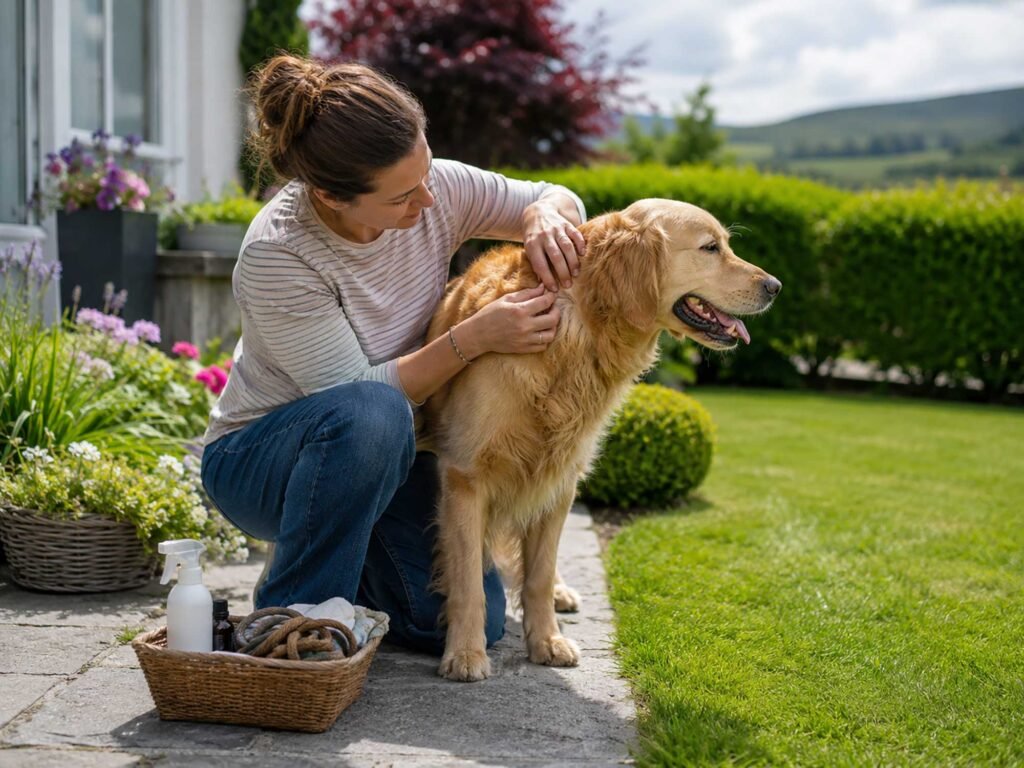
During Tick Season in Ireland, pet owners should check their animals regularly, especially after walks in high-risk areas. Common areas where ticks attach to pets include around the ears, neck, legs, paws, belly, and under the collar.
It is also worth speaking to a vet about suitable tick prevention products for pets. Regular grooming, washing pet bedding, and checking animals after outdoor activity should become part of a summer routine.
If your garden is regularly used by pets, keeping outdoor areas maintained can help reduce the conditions that ticks prefer.
How to Reduce Tick Risk Around Your Garden
A garden does not need to be completely stripped of natural planting to be safer. The aim is to reduce tick-friendly conditions and make the space less attractive to wildlife that may carry ticks.
Here are practical ways to reduce the risk:
Keep Grass Short
Ticks are commonly found in long grass and low vegetation. Keeping lawns trimmed, especially around play areas, patios, paths, and pet zones, can help reduce the chance of contact.
Cut Back Overgrown Vegetation
Dense shrubs, overhanging plants, and wild corners can provide shelter for ticks and wildlife. Regular cutting, pruning, and clearing can make these areas less suitable.
Clear Leaf Litter and Garden Debris
Ticks prefer damp, shaded environments. Removing leaf piles, old branches, and garden waste helps reduce hiding places.
Create Clear Pathways
If you have a large garden, rural property, campsite, or holiday home, keep pathways clear and wide enough so people are not brushing against long grass or shrubs.
Manage Wildlife Access
Birds, deer, foxes, rodents, and other animals can carry ticks into outdoor spaces. Secure bins, remove food sources, block access to sheds where possible, and keep outdoor areas tidy.
Separate Play Areas from Wild Edges
Children’s play equipment, seating areas, and pet zones should ideally be away from long grass, hedgerows, and dense planting.
Summer Safety Tips During Tick Season in Ireland
The best protection is a combination of awareness, prevention, and routine checks. You do not need to avoid the outdoors. You simply need to be prepared.
When spending time outside during Tick Season in Ireland, consider these safety tips:
Wear long trousers and long sleeves when walking through grass, woods, or overgrown areas. Light-coloured clothing can make ticks easier to see. Tuck trousers into socks if walking in high-risk areas. Use an insect repellent suitable for tick protection. Stay on clear paths when walking in parks, forests, dunes, or countryside areas. Avoid sitting directly in long grass. Check your body, children, and pets after time outdoors. Shower after outdoor activity where possible. Wash or inspect clothing and outdoor gear after walks, camping, or gardening.
These simple habits are especially important after activities such as hiking, camping, fishing, gardening, dog walking, sports training, or spending time in rural holiday properties.
How to Check for Ticks After Being Outdoors
A proper tick check should include the whole body. Ticks often move to warm, hidden areas before attaching.
Pay close attention to:
- Behind the ears
- Hairline and scalp
- Neck
- Underarms
- Waistline
- Groin area
- Behind the knees
- Ankles and feet
- Around tight clothing lines
- Children’s neck, scalp, and ears
- Pets’ ears, paws, belly, and under collars
Because tick bites are often painless, you may not feel anything. A tick may look like a tiny dark speck at first. As it feeds, it can become larger and easier to see.
Checking soon after outdoor activity is one of the most important steps during Tick Season in Ireland.
What to Do If You Find a Tick
If you find a tick attached to the skin, remove it as soon as possible using a proper tick removal tool or fine-tipped tweezers. Grip the tick as close to the skin as possible and pull steadily upwards. Avoid squeezing the body of the tick.
Do not burn it, cover it in oils, twist aggressively, or use old home remedies. These methods can increase the risk of irritation or make removal less effective.
After removing the tick, clean the area with soap and water or antiseptic. Keep an eye on the bite area over the following weeks.
If you develop a rash, flu-like symptoms, fever, tiredness, headaches, muscle pain, joint pain, or feel unwell after a tick bite, contact your GP. Medical advice is especially important if you are unsure how long the tick was attached or if symptoms appear later.
Discreet Pest Control can help with prevention and outdoor risk reduction, but tick bites and possible Lyme disease symptoms should always be discussed with a qualified healthcare professional.
Tick Season in Ireland for Holiday Homes and Rental Properties
Holiday homes, guesthouses, rural cottages, glamping sites, campsites, and short-term rental properties should pay particular attention to tick prevention.
Guests may not be familiar with local outdoor risks. They may spend time in gardens, walking trails, picnic areas, woodland edges, or pet-friendly outdoor spaces. A few simple prevention steps can improve guest safety and protect the reputation of the property.
Property owners should keep grass short around entrances, patios, outdoor dining areas, children’s play zones, and parking areas. Walkways should be clearly maintained. Overgrown vegetation near seating areas should be cut back. Information about tick awareness can also be included in guest welcome packs, especially for rural or nature-based stays.
For businesses in the hospitality sector, Tick Season in Ireland is not just a health and safety topic. It is also part of responsible property management.
Tick Season in Ireland for Businesses and Outdoor Workers
Ticks can also affect people who work outdoors. Landscapers, gardeners, farmers, forestry workers, sports clubs, park staff, maintenance teams, and outdoor activity providers may be exposed to ticks during the working day.
Employers and site managers should consider tick awareness as part of seasonal safety planning. This may include staff education, protective clothing, access to repellents, regular checks, maintained pathways, and clear procedures for reporting bites.
Sports clubs and community organisations should also be aware of tick risk in grassy areas, especially where children train or play near long grass, hedges, or woodland edges.
Why Professional Pest Control Advice Helps
Ticks are not controlled in the same way as many indoor pests. The focus is usually on risk reduction, habitat management, inspection, and prevention. A professional pest control company can help identify areas of concern and recommend practical steps for your property.
At Discreet Pest Control, we understand that pest issues can be sensitive, especially for homes, rental properties, hospitality businesses, and commercial sites. Our approach is professional, practical, and discreet.
We can help assess outdoor areas, identify tick-friendly conditions, advise on garden and property maintenance, and support wider pest prevention strategies. This is especially useful for rural homes, family gardens, pet-friendly properties, holiday lets, and businesses with outdoor spaces.
Tick Season in Ireland: Prevention Is Better Than Panic
Ticks are part of the Irish outdoor environment, and most people will never experience serious illness from a tick bite. But awareness matters. A simple routine can help protect your family, pets, guests, and property during the summer months.
Keep grass short. Cut back overgrown vegetation. Check yourself, your children, and your pets after outdoor activity. Use suitable protective clothing and repellents in high-risk areas. Remove ticks quickly and safely. Contact a GP if symptoms develop.
Tick Season in Ireland does not mean you should avoid enjoying the outdoors. It means being prepared, staying aware, and taking sensible steps before a small problem becomes a bigger concern.
Tick Season in Ireland: Summer Safety Tips
Need Help Reducing Tick Risk Around Your Property?
If you are concerned about ticks in your garden, outdoor space, rental property, holiday home, or business premises, Discreet Pest Control is here to help.
We provide professional, confidential, and practical pest control advice across Ireland. Whether you need an outdoor inspection, seasonal prevention guidance, or support with pest-related risks around your property, our team can help you take the right steps.
Contact Discreet Pest Control today for discreet pest control solutions and summer pest prevention advice in Ireland.