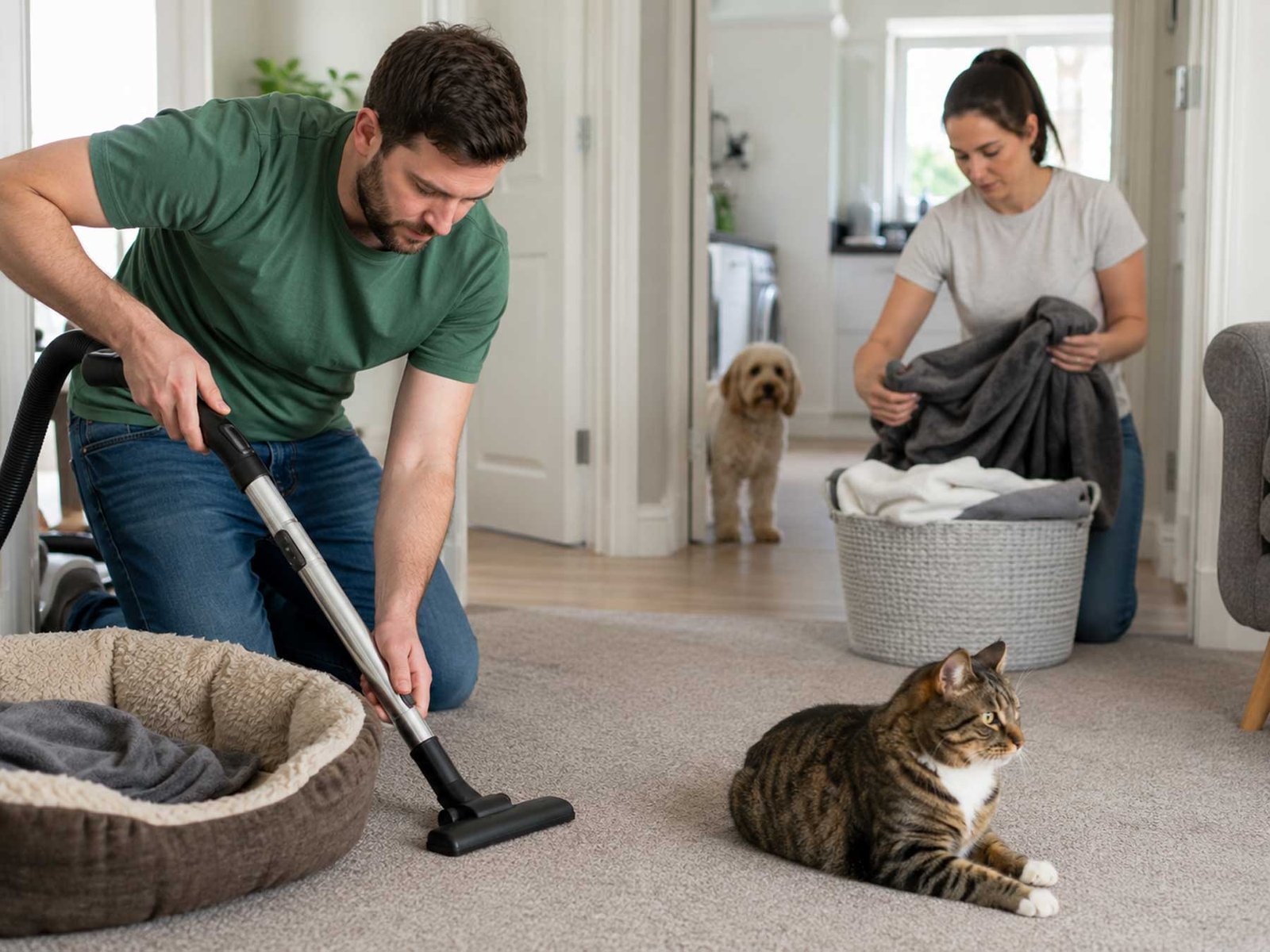
Fleas can turn a comfortable home into a stressful place very quickly. One day your pet is scratching more than usual. A few days later, you notice itchy bites around your ankles. Then you see tiny insects jumping from the carpet or dark specks in pet bedding. By that stage, the question becomes urgent: how do you stop fleas spreading through the home?
How to Stop Fleas Spreading in Irish Homes is a practical concern for pet owners, families, tenants, landlords and businesses across Ireland. Fleas are not only a problem in rural homes or houses with large gardens. They can affect city apartments, terraced homes, rental properties, holiday lets, pet-friendly accommodation and commercial premises.
The most important thing to know is this: fleas spread because people often focus only on the adult insects. In reality, fleas have a life cycle that includes eggs, larvae, pupae and adults. If you only treat what you can see, the problem can return.
This guide from Discreet Pest Control explains how fleas spread, what you can do immediately, which mistakes to avoid, and when professional pest control is the right step.
How to Stop Fleas Spreading in Irish Homes: Start with the Life Cycle
To stop fleas spreading, you need to understand how they develop. Adult fleas live on animals or bite people when a preferred host is not available. After feeding, they can lay eggs. These eggs do not stay neatly in one place. They fall from the host into carpets, bedding, rugs, furniture, floor cracks and pet resting areas.
The eggs hatch into larvae, which avoid light and move into hidden areas. Later, they form pupae inside cocoons. This stage is especially difficult because it is protected and can remain hidden until conditions are right.
When warmth, movement or vibration suggests that a host is nearby, adult fleas can emerge and begin feeding.
This is why an Irish home can appear quiet for a while and then suddenly become active. It is also why empty properties, rental homes and rooms that have not been used recently can sometimes surprise new occupants with flea activity.
Stopping fleas means interrupting the cycle at every stage.
Why Fleas Spread from Room to Room
Fleas spread through movement. A pet walks from the sitting room to the bedroom. A blanket is moved from the sofa to the laundry basket. A child carries a soft toy from the floor to the bed. A vacuum is used but not emptied. A dog sleeps in different rooms. Clothing or bedding is carried through the house.
These ordinary actions can move fleas, eggs or larvae into new areas.
In Irish homes, fleas often begin in one of several common places: pet bedding, sitting room carpets, bedroom rugs, hallway mats, utility rooms, or favourite sofa spots. If action is taken early, the problem may stay limited. If not, it can spread into multiple rooms.
The aim is to reduce movement, clean strategically, treat pets properly, and get professional advice when the problem is more than a minor issue.
First Steps: How to Stop Fleas Spreading Immediately
If you suspect fleas in your home, act calmly but quickly.
Start by identifying the most likely source. Check pets, pet bedding, carpets, sofas and areas where bites are happening. Use a flea comb on pets and check for dark specks that turn reddish-brown when dampened.
Next, reduce movement between rooms. Do not carry loose bedding, blankets or cushions through the house without bagging them first. Avoid moving pet beds from one room to another. Keep pets out of bedrooms if those rooms are not already affected, while also making sure pets receive proper veterinary flea treatment.
Vacuum thoroughly, especially around pet resting areas, carpets, rugs, skirting boards, under furniture and sofa edges. Empty the vacuum into a sealed bag and dispose of it outside.
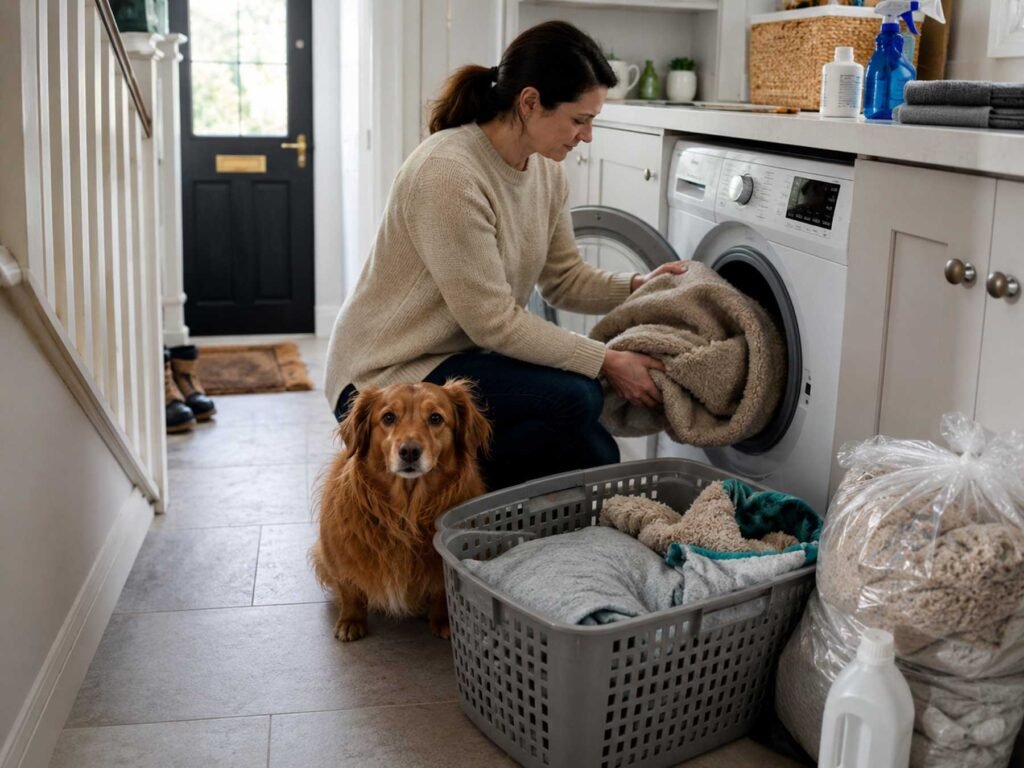
Wash pet bedding, blankets and washable soft furnishings at a high temperature where the fabric allows. Dry items thoroughly.
These steps help reduce flea numbers, but they may not fully solve the issue if eggs, larvae or pupae are already established.
Treat All Pets in the Home
One of the biggest mistakes people make is treating only one pet. If there are several animals in the home, all pets should be checked and treated according to veterinary advice.
Dogs, cats and rabbits may require different products. Never assume that a flea product suitable for one animal is safe for another. Always follow veterinary guidance and product instructions.
If one pet is untreated, fleas can continue feeding and reproducing. This makes it much harder to stop fleas spreading in Irish homes.
Pet bedding should be cleaned at the same time as pet treatment. Treating the animal but leaving the sleeping area untouched can allow fleas to continue developing in the environment.
Clean the Right Areas, Not Just the Obvious Ones
Flea control is not just about cleaning the centre of the carpet. Fleas and larvae often hide in edges, folds, cracks and quiet areas.
Focus on:
Pet beds and blankets. Sofa seams and cushions. Under sofas and chairs. Carpet edges. Rugs and mats. Skirting boards. Bedroom floors. Utility rooms. Car boots if pets travel frequently. Cracks in wooden floors. Areas under beds. Door mats and hallway runners.
If a pet sleeps in your bedroom, include the bed base, floor around the bed and nearby soft furnishings. If pets travel in the car, vacuum the car carefully too.
For homes with mostly hard floors, do not assume fleas cannot survive. They can hide in floor gaps, rugs, soft furniture, pet bedding and skirting board areas.
How to Stop Fleas Spreading in Irish Homes with Better Laundry Habits
Laundry can either help control fleas or accidentally spread them.
If you suspect fleas, bag bedding and pet fabrics before carrying them to the washing machine. Avoid shaking blankets indoors, as this may scatter eggs and debris.
Wash suitable items at a high temperature and dry them fully. For delicate items, follow care instructions and consider professional advice if needed.
Keep clean laundry away from affected rooms until control steps are underway. Do not place washed pet bedding back onto untreated carpets or floors.
Small habits like this can reduce the risk of moving fleas into clean areas of the home.
Vacuuming: A Simple Step That Matters
Vacuuming is one of the most useful non-chemical actions for flea control. It helps remove adult fleas, eggs, larvae and organic material that larvae feed on. It can also stimulate adult fleas to emerge from pupae, making treatment more effective when combined with professional control.
Vacuum slowly and thoroughly. Pay attention to edges, corners, under furniture and pet resting areas. Use attachments along skirting boards and sofa seams.
After vacuuming, dispose of the contents carefully. If your vacuum has a bag, remove it and seal it. If it is bagless, empty it outside into a sealed bag and clean the container where appropriate.
Vacuuming once is not enough. Regular vacuuming over several days or weeks may be needed as part of a wider control plan.
Do Not Move the Problem Around
When people panic, they often move items quickly. Mattresses are dragged into another room. Pet beds are moved outside and then brought back in. Rugs are shaken indoors. Bedding is carried through the hallway. Pets are moved to sleep in a different room.
Unfortunately, these actions can help fleas spread.
If an item may be affected, bag it or handle it carefully. Keep affected items contained. Avoid moving pets into unaffected rooms without veterinary treatment. Do not sleep in another room to avoid bites if fleas are already active around your usual resting area, as this can encourage pests to follow.
The goal is containment first, then treatment.
Why DIY Flea Sprays Often Fail
Many homeowners try shop-bought flea sprays before calling a professional. Some products may reduce visible adult fleas, but they often fail to solve the full infestation.
There are several reasons for this. Flea eggs and larvae may be hidden deep in carpets or cracks. Pupae are protected inside cocoons. Sprays may not reach under furniture or into key harbourages. Incorrect use can create safety concerns around children and pets. Some people stop too early because they think the first improvement means the problem is gone.
Fleas require a complete approach. That may include pet treatment, vacuuming, laundering, targeted professional treatment and follow-up advice.
If fleas keep returning, the problem is probably deeper than visible adult insects.
How to Stop Fleas Spreading in Irish Rental Properties
Rental properties need fast and careful handling. Fleas can create tension between tenants, landlords and property managers. The source may be a current pet, a previous tenant, visiting animals, or an infestation that remained hidden in flooring.
For tenants, report the issue quickly and document signs such as bites, visible fleas, pet scratching or activity in carpets. Avoid applying multiple products without permission if it may affect surfaces or tenancy agreements.
For landlords, arrange inspection promptly. Delayed action can allow the infestation to spread and become more expensive to resolve. Professional pest control gives all parties a clearer understanding of the problem and the required steps.
Flea control is especially important before a new tenant moves in, after pet-owning tenants leave, or when a property has been vacant for a period.
Fleas in Apartments and Shared Housing
Apartments and shared houses can make flea control more complicated. Pets, carpets, communal areas, shared laundry habits and multiple occupants can all affect the spread.
If one bedroom is affected, check shared sitting rooms, hallways and soft furnishings. In shared accommodation, communication matters. Everyone in the property should understand the cleaning plan, laundry steps and pet treatment requirements.
Ignoring one room can allow fleas to return to others.
Professional advice is particularly useful in shared homes because it helps create a coordinated plan instead of several people trying separate DIY methods.
Fleas and Irish Weather
Irish weather can support flea problems in different ways. Mild, damp conditions can help pests survive outdoors, while warm indoor homes allow flea activity to continue even when the weather is cooler.
Many people think fleas are only a summer issue. While activity may increase when pets spend more time outdoors, indoor infestations can happen at any time of year. Central heating, soft furnishings and pet sleeping areas can create suitable conditions long after summer ends.
That is why prevention should be year-round, not only seasonal.
Preventing Fleas from Entering the Home
To stop fleas spreading, you also need to reduce the risk of new fleas entering.
Keep pets on appropriate flea prevention recommended by your vet. Check pets after visits to parks, kennels, grooming salons or other homes. Wash pet bedding regularly. Vacuum pet areas often. Be careful with second-hand rugs, sofas, cushions and pet beds. Keep gardens tidy, especially where pets rest. Discourage wildlife from nesting or resting close to the home.
If your pet spends time in the car, include the car in your cleaning routine. Pet blankets, boot liners and fabric seats can all become part of the problem if ignored.
When to Call Discreet Pest Control
You should contact a professional if fleas are visible, bites continue, pets remain uncomfortable, the infestation has spread into several rooms, or DIY treatment has not worked.
You should also call for help if the property is rented, shared, used for guests, or part of a business. The sooner fleas are professionally assessed, the easier it is to limit disruption.
At Discreet Pest Control Dublin, we provide professional pest control services across Dublin and surrounding counties. Our team understands that pest problems can feel sensitive, especially in family homes, rental properties and businesses. We work discreetly and professionally to help you resolve the issue.
For companies, landlords, hospitality providers and property managers, our commercial pest control service can support a wider pest prevention plan.
How Professional Flea Treatment Helps Stop the Spread
Professional flea control is targeted. Instead of randomly spraying visible areas, the technician identifies where fleas are most likely active and where hidden stages may be developing.
Treatment may focus on carpets, rugs, pet resting areas, floor edges, under furniture, soft furnishings and other harbourage zones. You will also receive practical advice on preparation, pet treatment, cleaning and aftercare.
This combined approach is important because fleas are a household issue, not just a pet issue.
Professional treatment also helps avoid unnecessary product use and reduces the risk of incorrect application around children, pets or sensitive areas.
After Treatment: What to Expect
After professional treatment, you may still see some flea activity for a short period. This can happen when hidden pupae emerge. Follow-up vacuuming and aftercare instructions are important.
Do not wash treated areas unless advised. Continue vacuuming as recommended. Keep pets on vet-approved flea prevention. Wash pet bedding regularly. Monitor activity and contact the pest control provider if you have concerns.
Successful flea control requires patience and consistency. The aim is to break the life cycle and prevent new adults from continuing the infestation.
How to Stop Fleas Spreading in Irish Homes: Final Checklist
If you suspect fleas, remember these key steps:
Act early. Check pets and pet bedding. Speak to your vet about treatment. Vacuum thoroughly and regularly. Wash suitable fabrics at high temperature. Bag affected laundry before moving it. Do not move loose bedding between rooms. Avoid relying only on DIY sprays. Include carpets, sofas, skirting boards and pet areas. Call a professional if the problem continues.
Fleas can spread quickly, but they can also be controlled with the right approach.
Need Help Stopping Fleas in Your Irish Home?
If you are dealing with fleas in your house, apartment, rental property or business premises, Discreet Pest Control can help.
We provide discreet, professional and practical pest control solutions for Irish homes and businesses. Whether you have noticed bites, seen fleas on carpets, or need advice before the problem spreads further, our team is ready to assist.
Contact Discreet Pest Control today for professional flea control advice and pest control support across Dublin and surrounding areas.