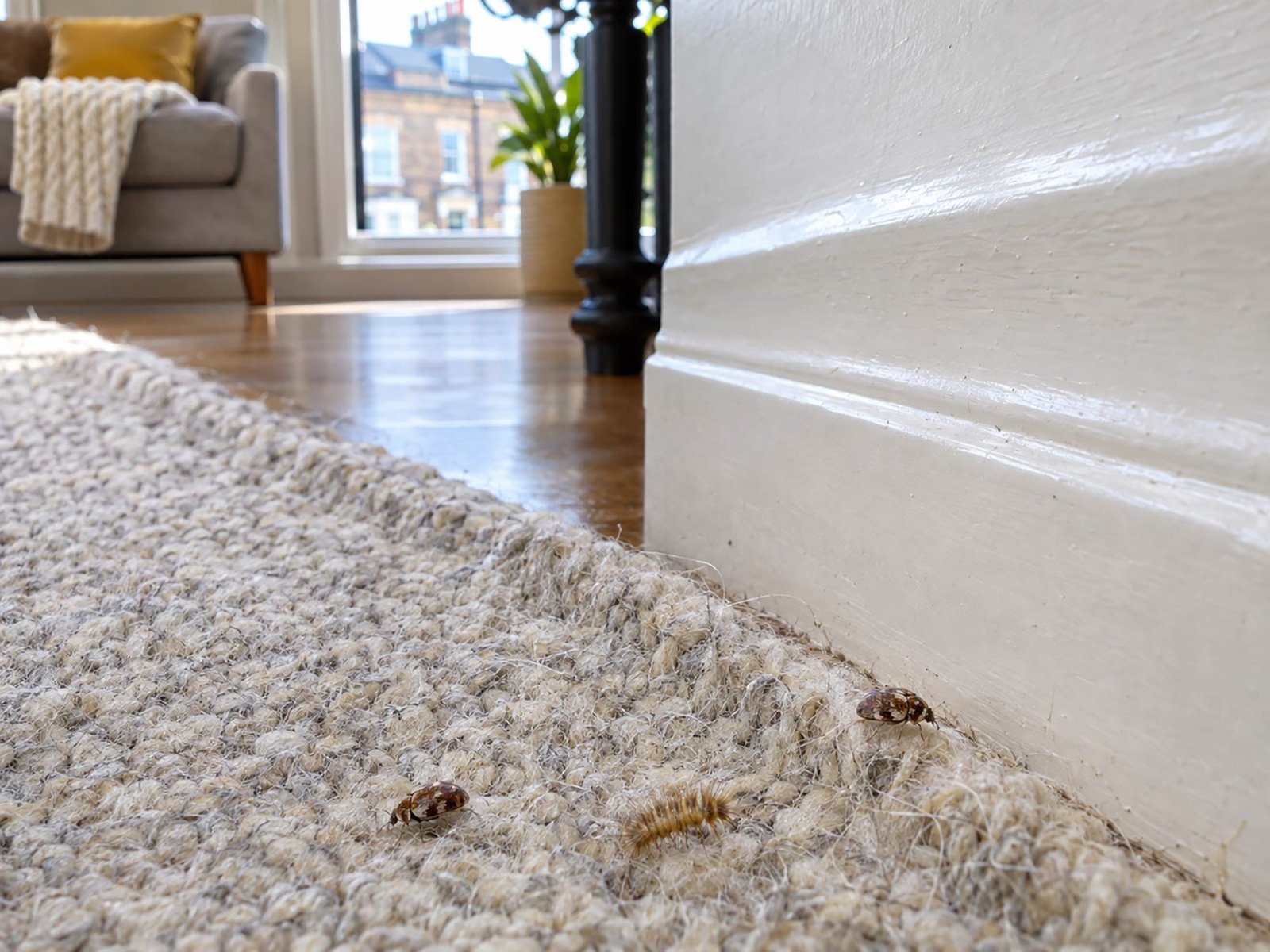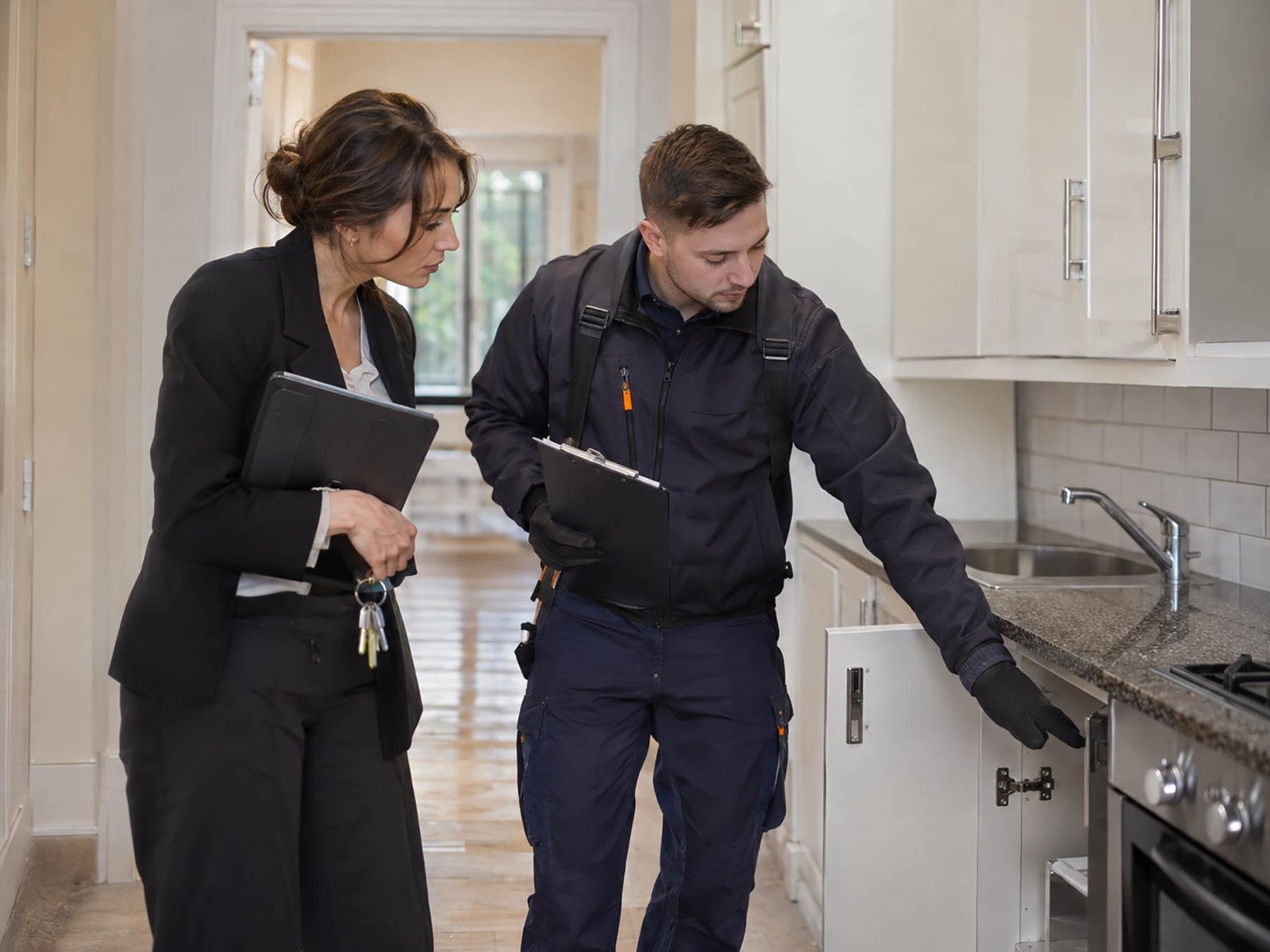
Managing a rental property in Dublin involves more than collecting rent, arranging repairs and preparing the property for new tenants. One of the most important, yet frequently overlooked, aspects of property management is pest prevention.
A tenant reports scratching noises behind the kitchen units. Another notices insects around the bedroom. Someone moving into an apartment discovers unexplained droppings inside a cupboard. Suddenly, an apparently small issue becomes an urgent problem involving the tenant, landlord and potentially neighbouring properties.
For landlords, pest problems can create unexpected costs, complaints, maintenance concerns and unnecessary disruption.
That is why pest control for Dublin landlords should be considered an essential part of responsible property management rather than something arranged only after an infestation becomes serious.
Whether you own a single apartment, a terraced house, several rental properties or a portfolio of residential accommodation, understanding pest risks can help you protect your investment and maintain positive relationships with tenants.
At Discreet Pest Control, we provide professional pest control services across Dublin, Kildare, Wicklow and Meath.
This guide explains the most common pest issues affecting Dublin rental properties, how landlords can respond effectively and why a preventative approach often makes better financial sense.
Why Pest Control for Dublin Landlords Matters
Dublin’s rental market includes a wide range of accommodation, from modern city-centre apartments and suburban family homes to older terraced houses, converted properties and multi-unit developments.
Each property type presents different challenges.
Older buildings may contain gaps around pipework, damaged ventilation openings, ageing drainage systems or structural defects that allow pests to enter.
Modern apartments may have shared service ducts, communal waste storage, adjoining units and concealed spaces where pests can travel unnoticed.
Properties with gardens may experience outdoor pest activity, particularly around sheds, bins, vegetation and drainage areas.
For landlords, the important point is that pest problems are not always caused by poor hygiene.
A clean, well-maintained rental property can still experience an infestation if pests find an entry point, a suitable environment or an available food source.
Regular inspections and preventative maintenance can reduce these risks before they develop into more expensive problems.
Pest Control for Dublin Landlords: A Practical Guide. Common Pest Problems in Dublin Rental Properties
Different pests require different approaches.
Mice and rats are among the more concerning problems because they can enter hidden spaces, contaminate surfaces and damage insulation, wiring or stored items.
Rodent activity may be detected through droppings, scratching noises, gnaw marks or unusual smells.
Bed bugs present a different challenge.
They can be introduced through luggage, furniture, clothing or personal belongings. Their presence is not necessarily associated with poor hygiene, and they can become established in bedrooms, furniture and adjoining areas.
For more information, see our article on Bed Bugs After Summer Travel in Ireland.
Cockroaches may appear around kitchens, bathrooms, warm appliances and service spaces. They can be particularly difficult to manage in multi-unit buildings when access between apartments is possible.
Fleas may be associated with pets, previous occupants or affected furnishings.
Silverfish can become a problem in properties with damp conditions, poor ventilation or concealed moisture.
Each situation requires correct identification and an appropriate response.
Simply treating every pest complaint with the same product or general spray is unlikely to provide a reliable long-term solution.
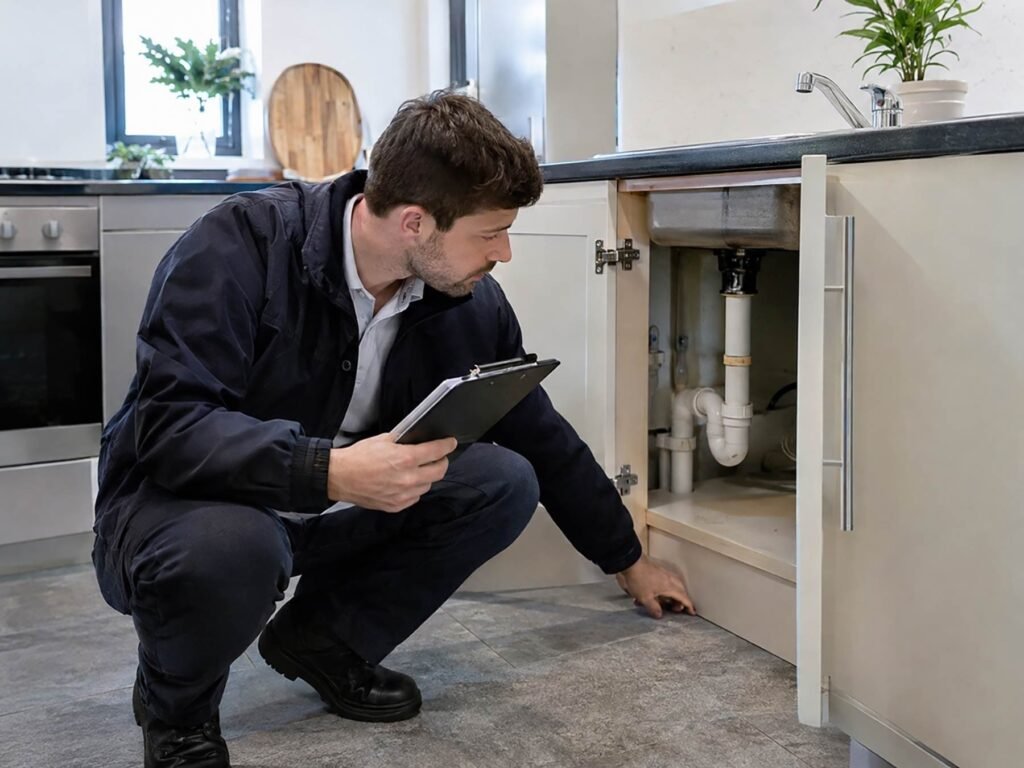
Pest Control for Dublin Landlords Between Tenancies
The period between tenants provides a valuable opportunity to inspect a property thoroughly.
Furniture can be moved, cupboards can be emptied and areas that are normally difficult to access can be checked.
During an end-of-tenancy inspection, landlords should pay attention to kitchens, bathrooms, storage cupboards, utility rooms, bedrooms, lofts and areas around service pipes.
Look for signs such as droppings, damaged packaging, gnaw marks, unusual smells, insect activity, unexplained stains or damaged materials.
Carpets and upholstered furniture should also be inspected, particularly when pets have occupied the property.
If the property has been vacant for several weeks, do not assume the absence of visible pests means there is no problem.
Some pests remain hidden until activity, warmth or available hosts encourage them to emerge.
A professional inspection before new tenants move in may help identify issues that could otherwise become complaints immediately after the start of a tenancy.
For landlords managing multiple properties, this can be a worthwhile addition to routine property maintenance.
What Should Landlords Do When Tenants Report Pests?
Communication is extremely important.
When a tenant reports suspected pest activity, the first step should be to acknowledge the issue and gather basic information.
Ask where the problem has been noticed, when it started and whether there are photographs or other evidence.
For example, a tenant reporting scratching behind a kitchen wall may be describing rodent activity, but it could also be another issue.
Small insects around a bathroom drain may indicate a different problem from insects found in a bedroom or wardrobe.
Avoid making assumptions before the pest has been identified.
It is also helpful to establish whether the problem is limited to one room or whether activity has been noticed throughout the property.
If an infestation is suspected, arrange an appropriate inspection without unnecessary delay.
Professional identification helps prevent wasted time, incorrect treatments and disputes about the source of the problem.
Who Is Responsible for Pest Control in Irish Rental Properties?
One of the most common questions about pest control for Dublin landlords concerns responsibility.
Who should arrange treatment? Who should pay for it? What happens if the tenant believes the problem existed before they moved in?
In Ireland, landlords and tenants have responsibilities relating to the condition and maintenance of rental accommodation.
Landlords are generally responsible for maintaining the property and carrying out necessary repairs, while tenants have obligations to keep the accommodation in good condition and report maintenance issues.
However, responsibility for a particular pest infestation depends on the circumstances, including the cause, property condition, tenancy agreement and applicable law.
For example, pests entering through structural defects may raise different questions from a problem linked to an identifiable source introduced during a tenancy.
There is no sensible reason to assume that every infestation is automatically the responsibility of one party.
The best approach is to establish the facts before making decisions.
Keep written records, document the findings and obtain professional advice where necessary.
For detailed guidance on Irish rental obligations, landlords and tenants can consult the Residential Tenancies Board.
Pest Control for Dublin Landlords: Prevention Starts Outside
Many pest problems begin outside the property.
Rodents may find shelter around sheds, overgrown vegetation, waste storage areas or building foundations.
Poorly maintained bins can attract pests, particularly when food waste is accessible.
Gaps around doors, vents, pipes and damaged external structures can provide entry points.
For landlords, these areas should form part of routine property inspections.
Outdoor bins should close properly and be positioned appropriately.
Gardens should be maintained so that vegetation does not create excessive shelter immediately against the building.
Damaged vents, broken covers and visible gaps should be assessed and repaired where appropriate.
Drainage issues should also be investigated, especially when there are recurring signs of rodents.
Taking these measures can make a property less attractive to pests and reduce the likelihood of future infestations.
Why Pest Proofing Is Important for Dublin Rental Homes
Pest proofing involves identifying and reducing the opportunities pests have to enter or move through a building.
This may include sealing appropriate gaps around pipework, repairing damaged external openings, improving door seals and addressing defects around service penetrations.
However, proofing must be carried out carefully.
Ventilation openings should not simply be blocked without considering their purpose.
Materials and methods should be suitable for the building and the type of pest involved.
For example, a gap around a kitchen pipe may require a different solution from a damaged roof vent or an opening associated with drainage infrastructure.
A professional pest control inspection in Dublin can help identify likely access routes and recommend suitable preventative measures.
Pest Control Challenges in Dublin Apartment Buildings
Apartments can be particularly challenging because individual units are connected through shared structures.
Service ducts, pipe routes, wall cavities and communal areas may allow pests to move between different parts of a building.
A tenant may maintain an exceptionally clean apartment but still experience activity originating elsewhere.
This is especially relevant when several residents report similar problems within a short period.
In these situations, treating one apartment without investigating the wider building may provide only temporary relief.
Landlords may need to communicate with the property management company, neighbouring owners or relevant building representatives.
Coordinated inspections and treatment plans may be necessary where several units are affected.
For property managers, keeping accurate records of reported activity can help identify recurring patterns and potential building-wide issues.
Bed Bugs in Rental Properties: Why Early Action Matters
Bed bugs deserve particular attention because they can be difficult to detect and manage.
They may be introduced through travel, personal belongings, second-hand furniture or other routes.
Once established, they can hide in mattresses, bed frames, upholstery, cracks and furniture joints.
Bed bugs are not evidence that a tenant is unclean.
This is an important point because embarrassment and fear of blame may delay reporting.
Landlords should encourage tenants to report suspected bed bug activity early.
Professional inspection is advisable because bites alone are not sufficient to confirm the problem.
Moving potentially infested furniture between rooms or properties can increase the risk of spreading the insects.
A coordinated treatment plan, clear communication and appropriate preparation are generally more effective than unplanned DIY attempts.
Rodent Problems in Rental Homes
Rodents are another major concern for landlords.
Mice and rats can enter buildings through surprisingly small openings and may remain hidden in kitchens, utility rooms, lofts, wall cavities or under flooring.
They can damage materials, contaminate surfaces and create serious concerns for occupants.
Signs include droppings, gnaw marks, scratching sounds, damaged food packaging and activity around bins or service areas.
If tenants report rodents, it is important to investigate promptly.
Removing one animal does not necessarily solve the underlying problem.
Entry points, food sources and environmental conditions should also be addressed.
For more information about professional rodent management, visit our Rodent Infestation service.
If you are unsure whether a problem involves mice, rats or another pest, arranging a professional identification is the safest starting point.
The Importance of Safe Pest Control in Occupied Properties
Rental properties are living environments.
Children, pets, older residents and people with health conditions may be present, making safety an essential consideration.
This is one reason landlords should avoid arranging uncontrolled pesticide applications or encouraging tenants to use multiple products without proper guidance.
Professional pest control should take account of the occupants, the building and the treatment required.
Depending on the pest and treatment method, residents may need instructions about access, preparation, temporary restrictions or cleaning afterwards.
Landlords should ensure that instructions are communicated clearly and that tenants understand what is expected.
Some infestations may require follow-up inspections or additional treatment visits.
Planning this properly can reduce disruption while improving the likelihood of successful control.
Keeping Records of Pest Control in Dublin Rental Properties
Documentation is one of the most valuable habits a landlord can develop.
When a pest issue is reported, keep a record of the date, location, complaint and any photographs supplied.
Document inspection findings, repairs, recommendations, treatment arrangements and follow-up visits.
If a contractor identifies an entry point or structural issue, retain that information for future maintenance.
These records are useful when the same issue appears again.
They also help landlords understand whether a property has recurring vulnerabilities.
For example, repeated rodent activity in a kitchen may indicate an unresolved access route, while recurring insects in a damp bathroom could suggest a moisture problem requiring attention.
A consistent record allows decisions to be based on evidence rather than guesswork.
How Preventative Pest Control Can Reduce Long-Term Costs
Waiting until a serious infestation develops may result in greater disruption and more extensive remedial work.
A rodent problem may require treatment, proofing and repairs.
A bed bug infestation may involve repeated visits, furniture inspections and careful preparation.
An insect infestation affecting stored materials could lead to unnecessary replacement costs.
Preventative maintenance can reduce the risk of these situations developing.
For landlords managing several properties, it may be useful to establish a routine inspection schedule based on the type of accommodation and its previous pest history.
Not every residential property needs a permanent pest control contract.
However, properties with recurring issues or particular vulnerabilities may benefit from periodic professional monitoring or advice.
The appropriate level of service should be based on actual risk rather than unnecessary treatment.
Pest Control for Dublin Landlords Managing Multiple Properties
Landlords with several rental homes may face an additional challenge: consistency.
If different tenants, letting agents and maintenance contractors all deal with pest complaints differently, important information may be lost.
A standard reporting process can make management easier.
Tenants should know who to contact when they notice potential pest activity.
Property managers should know when to arrange an inspection and how to communicate findings.
Maintenance teams should understand that pest treatment and building repairs often need to work together.
A clear process can reduce delays and prevent minor problems from becoming recurring complaints.
For landlords and property managers with multiple properties, Discreet Pest Control can discuss appropriate domestic and property-related pest management requirements.
Pest Control for Holiday Lets and Short-Term Rentals
Short-term accommodation introduces different risks.
Holiday homes and serviced apartments experience frequent guest turnover, luggage movement and cleaning between stays.
This can increase opportunities for certain pests to be introduced or overlooked.
Bed bugs are an obvious concern, but kitchens, waste storage areas, bathrooms and outdoor spaces also require attention.
Property owners should encourage cleaning teams to report unusual insect sightings, suspicious marks, damaged packaging or evidence of rodents.
Mattress seams, bed frames and upholstered furniture should be inspected when there are credible warning signs.
Waste should be managed carefully between guest stays, and maintenance problems should be addressed promptly.
A professional inspection can be particularly valuable where a property has experienced repeated complaints.
Choosing a Professional Pest Control Company in Dublin
When selecting a pest control provider, landlords should look beyond the initial treatment price.
Correct identification, practical advice, safety and follow-up arrangements are important.
A professional service should explain the likely problem, what the inspection involves and which steps may be necessary.
Where appropriate, the service should also identify contributing conditions such as entry points, food sources or moisture.
This helps reduce the risk of the same issue returning.
At Discreet Pest Control, we understand that landlords need practical solutions that protect both their properties and the people living in them.
Our technicians provide discreet pest control services across Dublin, Kildare, Wicklow and Meath.
We use unmarked vehicles to respect the privacy of customers and aim to minimise unnecessary disruption.
Whether you manage one rental home or several properties, we can help assess pest concerns and recommend appropriate next steps.
A Practical Pest Prevention Routine for Dublin Landlords
An effective prevention routine does not have to be complicated.
Before a new tenancy begins, inspect the property carefully. Pay attention to kitchens, bathrooms, flooring, storage spaces and signs of previous pest activity.
During the tenancy, ensure tenants have a clear way to report maintenance and pest concerns.
Arrange appropriate repairs when structural or environmental conditions create opportunities for pests.
Keep external waste facilities in suitable condition and maintain access points, drainage and ventilation systems.
When a pest complaint is received, investigate the situation rather than immediately assuming its cause.
Where professional treatment is needed, communicate the process and any preparation requirements clearly.
Finally, retain inspection and maintenance records.
Over time, these simple practices can help reduce repeat problems and make property management more efficient.
Why Discreet Pest Control Is a Practical Choice for Dublin Landlords
Every rental property is different.
A city-centre apartment may have very different pest risks from a suburban semi-detached house or a rural rental property in County Wicklow.
An effective solution should reflect those differences.
Discreet Pest Control provides professional pest management services for domestic properties and a wide range of commercial and managed premises.
Our approach focuses on understanding the issue, identifying contributing factors and recommending suitable control measures.
We also recognise the importance of privacy when dealing with tenants, landlords and neighbouring properties.
If you are unsure how to respond to a pest complaint, professional advice can help you decide what needs to happen next.
Protect Your Rental Property with Professional Pest Control
Pest Control for Dublin Landlords: A Practical Guide
Pest problems are sometimes unavoidable, but poor communication, delayed inspections and incomplete treatment can make them considerably worse.
For landlords, the best strategy is to be prepared.
Understand the risks associated with your property. Encourage tenants to report problems early. Keep maintenance records. Address structural defects where necessary and arrange professional inspections when pest activity is suspected.
A proactive approach can protect your investment, reduce unnecessary disruption and help maintain a comfortable living environment for tenants.
If you need pest control for Dublin landlords, contact Discreet Pest Control today.
We provide discreet, professional and practical pest control services across Dublin, Kildare, Wicklow and Meath.
Whether you are dealing with an active infestation, preparing a property for new tenants or looking for preventative advice, our team is here to help.